Follow Me On Social Media!

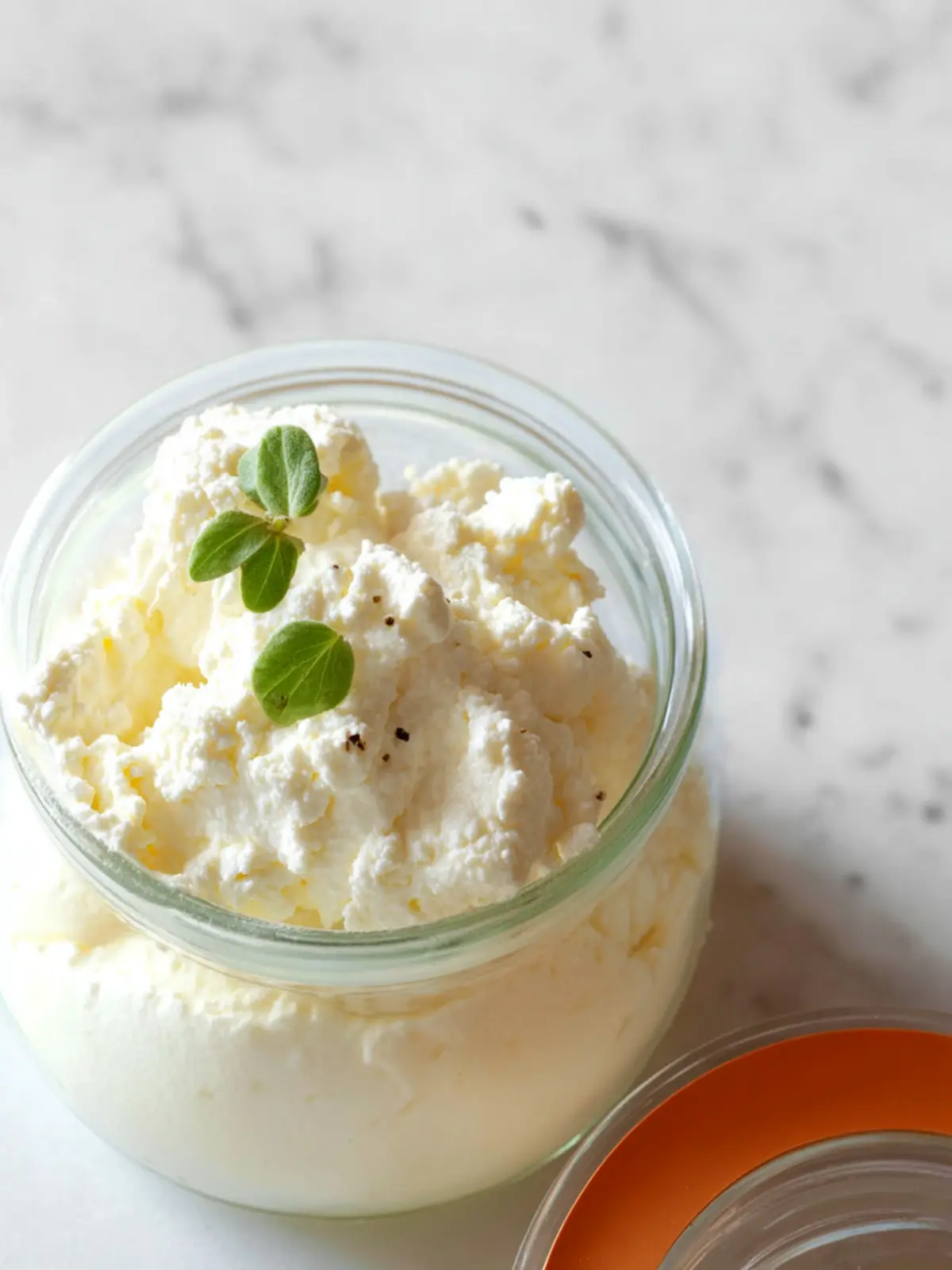
How to Make Ricotta Cheese: The Creamy Joy of Homemade Goodness

How to Make Ricotta Cheese
Making homemade ricotta cheese is an adventure that connects you with the age-old traditions of Italian cuisine while giving you a deliciously fresh product to enjoy. Imagine the satisfaction of enjoying a dollop of creamy, smooth ricotta that you’ve made with your own hands. The beauty of ricotta lies in its simplicity; it requires just a few ingredients and a bit of patience. As you’ll discover, the joy is not only in the result but also in the process.
What Makes Homemade Ricotta So Special?
The story behind homemade ricotta cheese is truly special. Unlike store-bought varieties that can often taste bland or overly processed, fresh ricotta packs a vibrant flavor and a rich, creamy texture that simply can’t be matched.
-
Quality Control: You have complete control over the ingredients. Using whole milk, heavy cream, and a touch of vinegar or lemon juice results in a creamier cheese that’s bursting with flavor.
-
Flavor Profile: There’s a unique taste in homemade ricotta. The freshness and quality of the milk create a rich, slightly sweet taste that adds depth to dishes like lasagna, cheesecakes, and stuffed pastas.
-
Versatility: Not only can you enjoy it spread on toast drizzled with honey, but homemade ricotta also shines in savory dishes, making it a fantastic addition to your kitchen repertoire.
Key Ingredients for Your Ricotta
-
Milk: I recommend using whole milk for the best flavor and creaminess. If you’re feeling adventurous, combining it with heavy cream will give your ricotta an indulgent richness.
-
Cream: Heavy cream is optional but adds an incredible silkiness that elevates your ricotta.
-
Acid (Vinegar or Lemon Juice): The acid is crucial as it helps coagulate the milk. I prefer using white vinegar for a subtle flavor, but fresh lemon juice works beautifully as well.
-
Salt: Salt enhances the flavor, making it even more delicious. A pinch goes a long way in bringing out the natural sweetness of the milk.
Why Try Making Your Own Ricotta?
The first time I made homemade ricotta cheese, I was surprised at how easy and rewarding it was. With just a little time and love, you can elevate your culinary creations. Plus, sharing a delicious, homemade cheese with friends and family creates lasting memories around the dinner table. So roll up your sleeves, gather your ingredients, and enjoy this delightful kitchen project!
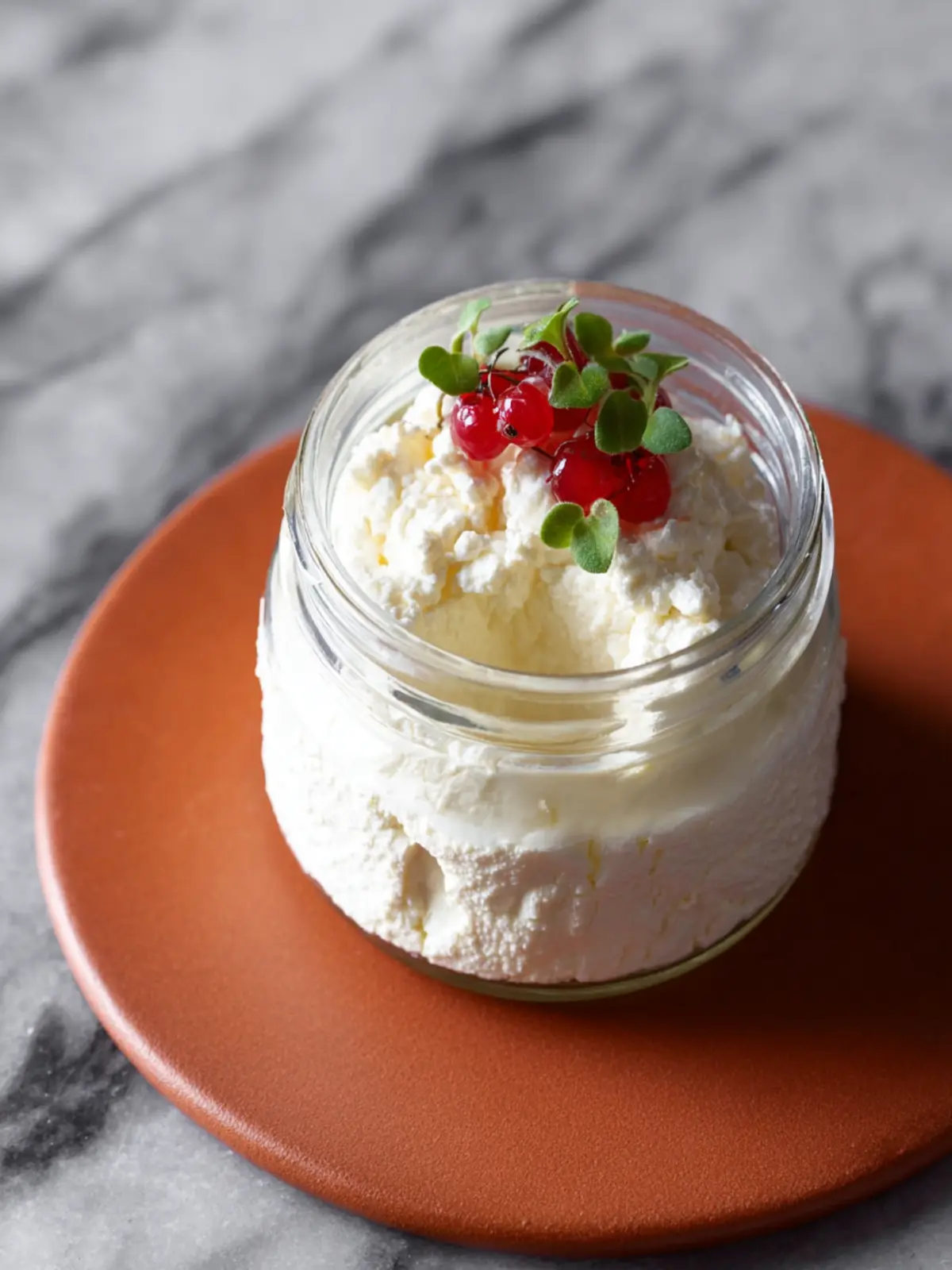
Key Ingredients for Ricotta Cheese
Milk: The foundation of any great ricotta cheese is quality milk. I prefer whole milk for a rich, creamy texture. If you’re searching for a lighter option, 2% milk can work too, though it may yield a slightly less rich flavor. The fresher, the better—locally sourced milk can make a significant difference in taste.
Acid: To achieve that characteristic ricotta texture, acid is essential. I typically use white vinegar or lemon juice. Both provide the tangy kick that helps to separate the curds from the whey. You can experiment with different acids, but make sure they’re fresh for the best results.
Salt: A pinch of salt elevates the flavor of the ricotta and balances its natural sweetness. It’s best to add this after the curds have formed so you get an even distribution throughout.
Cream: Some recipes call for adding a little cream to the mix, giving your ricotta a luxurious finish. This is purely optional, but I find it enhances the overall creaminess of the final product.
Using these key ingredients, you’ll discover how to make ricotta cheese that’s not only delightful but also incredibly satisfying to create at home.
Why You’ll Love This Homemade Ricotta Cheese
When you embark on the journey of how to make ricotta cheese, you’re not just whipping up yet another dairy product; you’re creating a rich, creamy staple that’s sure to elevate your culinary endeavors. Imagine the satisfaction of spooning fresh ricotta onto warm toast, swirling it into pasta sauces, or dolloping it on fruit for a perfect breakfast treat. This isn’t just cheese; it’s a versatile delight that brings a homemade touch to any meal.
One of the biggest perks of making ricotta at home is the freshness. With only a handful of ingredients, you can achieve a flavor profile that’s light years ahead of store-bought varieties. The texture is creamier, and the taste is simply unmatched.
Consider the simplicity of the process as you watch the curds form before your eyes. It’s a hands-on experience that connects you to your food in a rewarding way. Plus, it’s a fantastic way to impress friends and family during gatherings—the compliments you’ll receive are a guarantee.
So, roll up your sleeves and dive into this delightful cheese-making adventure. Trust me, once you taste homemade ricotta, you’ll find it hard to go back!
Variations of Ricotta Cheese
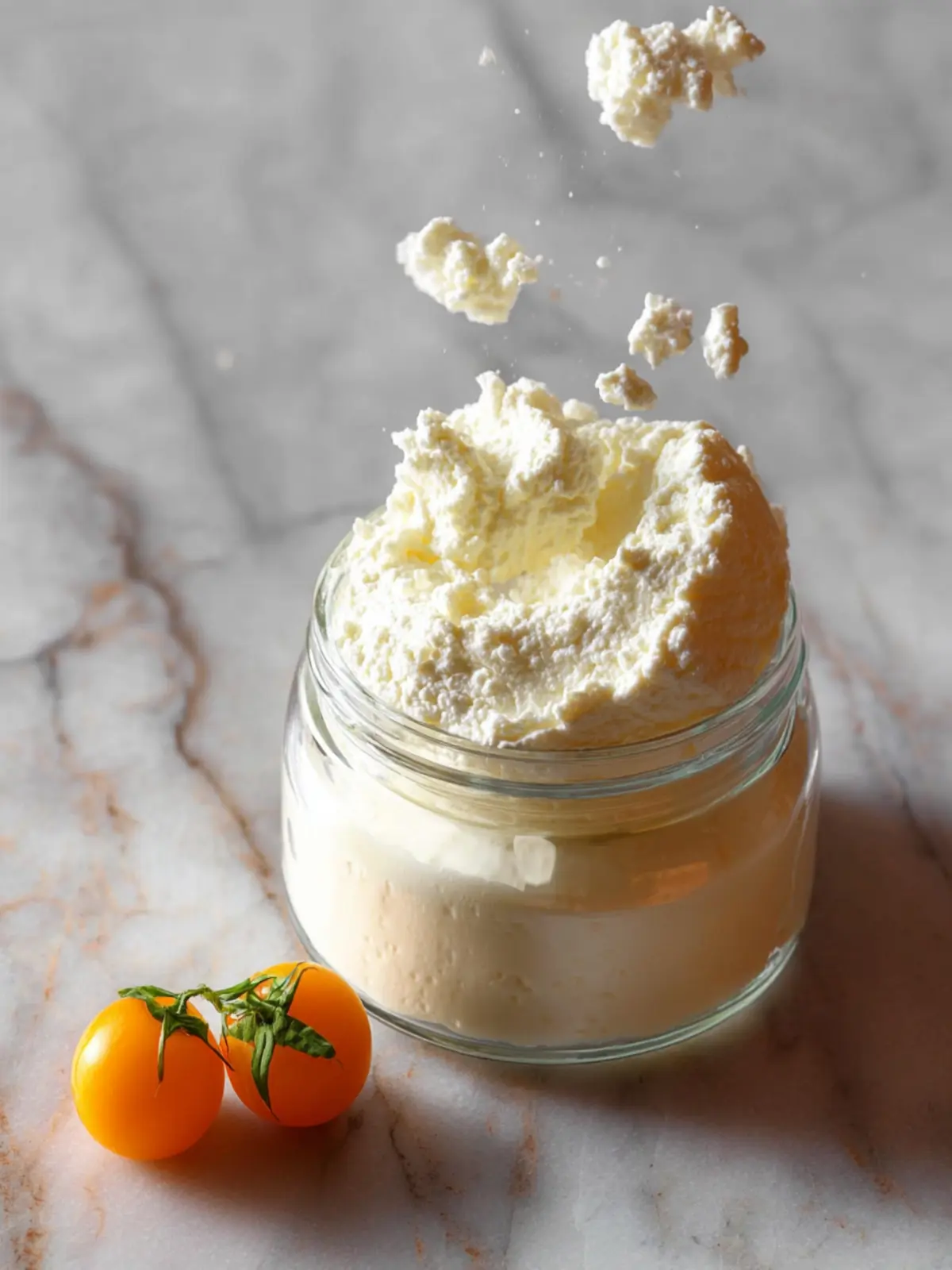
Ricotta cheese is a versatile dairy product that opens up a world of culinary possibilities, inviting creativity into your kitchen. As you learn how to make ricotta cheese, you’ll discover delightful variations that can elevate your dishes. Whether you prefer a sweet treat or a savory creation, ricotta can adapt to satisfy your cravings.
Lemon Ricotta: For a light and zesty twist, infuse your ricotta with fresh lemon zest. The brightness enhances the flavor, making it perfect for topping pancakes or as a filling for pastries.
Herbed Ricotta: A blend of fresh herbs like basil, chives, and parsley added to ricotta creates a delightful spread for breads or crackers. This savory version pairs beautifully with roasted vegetables or in pasta dishes.
Spiced Ricotta: For a warming touch, try incorporating spices like cinnamon, nutmeg, or even a hint of chili powder. This variation can be a unique addition to your dessert recipes or used in savory baked goods, offering a pleasant surprise.
Sweet Ricotta: Mix in honey or maple syrup, along with a dash of vanilla, for a sweetened version that works splendidly in desserts like cannoli, crepes, or even simply dolloped on toast.
Exploring these variations not only enhances your cooking repertoire but also brings an exciting flair to your culinary creations. So, as you venture into how to make ricotta cheese, don’t hesitate to experiment with these delightful adaptations!
Cooking Tips and Notes for Ricotta Cheese
Making fresh ricotta cheese can transform your culinary experience. Picture this: a creamy, sweet, and slightly grainy cheese you’ve crafted in your own kitchen. With a few tips and some attention to detail, you’ll be able to elevate your cheese-making game and impress your friends.
Quality of Ingredients Matters
Choosing the right milk is key for how to make ricotta cheese. Opt for whole milk, which provides a richer flavor and a creamier texture. If you can source fresh, farm-produced milk, that’s even better! Avoid ultra-pasteurized options, as they can yield inferior results.
Watch the Temperature
Keep a close eye on the milk temperature. As it heats, you want it to reach about 190°F before adding the acid. If it boils, you might end up with rubbery curds instead of the delightful texture you’re after. A kitchen thermometer is your best friend here!
Timing is Everything
Curdling takes just a few minutes after adding your acid (either vinegar or lemon juice). Once curds form, let them rest for about 5 minutes. This resting period is essential; it allows the curds to thicken and enhances the overall texture.
Strain with Care
When straining your ricotta, use a fine-mesh sieve. A coffee filter or cheesecloth can also work wonders for collecting the curds. Strain until you reach your desired consistency—short straining for a creamier ricotta, longer for a firmer cheese.
Experiment with Flavors
Once you’ve mastered the basic recipe, feel free to explore! Adding herbs, spices, or even citrus zest can elevate your ricotta to new heights. Imagine spreading your homemade cheese on a crostini, topped with roasted tomatoes and fresh basil.
Embrace your creativity, and enjoy the creamy goodness of your homemade ricotta cheese!
Serving Suggestions for Ricotta Cheese
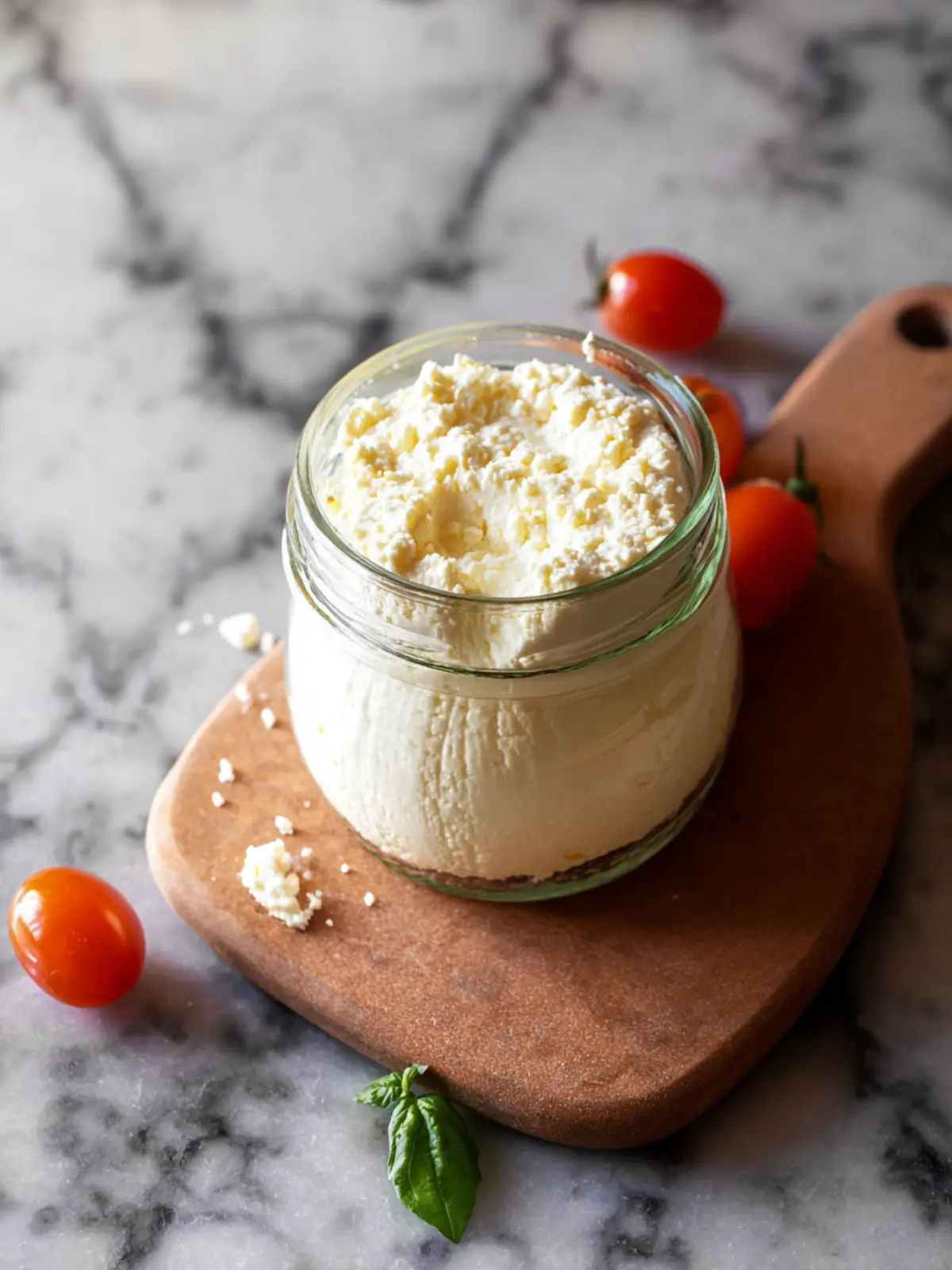
Making ricotta cheese at home is just the beginning of your delicious culinary adventure. Once you’ve mastered how to make ricotta cheese, the fun truly starts with how you can serve it in a myriad of ways!
Classic Pairings
Ricotta is incredibly versatile. A timeless way to enjoy it is to spread a generous dollop on crusty bread or toast. Drizzle with olive oil, a sprinkle of sea salt, and a hint of freshly cracked black pepper for a simple yet elegant appetizer.
Fresh and Flavorful Salads
Consider adding ricotta cheese to your salads. Toss in some roasted beets, walnuts, and arugula, then crumble the ricotta on top. This combination not only adds creaminess but also a delightful contrast in flavors and textures.
Sweet Inspirations
For a sweet treat, mix ricotta with honey and vanilla, then serve it alongside fresh fruit. It’s a refreshing dessert that’s easy to prepare. You could even layer it with berries and granola for a quick parfait!
Pasta and Dishes
Ricotta also shines when incorporated into pasta dishes. Try mixing it into your favorite stuffed shells before baking or adding it to lasagna for those creamy layers that everyone loves.
With these serving suggestions, your homemade ricotta cheese can take center stage in a variety of delightful dishes!
Time Breakdown for Making Ricotta Cheese
Getting hands-on with how to make ricotta cheese is an incredibly rewarding experience, and understanding the time involved helps keep the process smooth. Let’s break it down so you know exactly what to expect.
Preparation time
The ingredient prep is quick and easy, taking about 10 minutes to gather your ingredients and set everything up.
Curdling time
Once you heat your milk and add the acid, curdling takes approximately 5 to 10 minutes. During this time, you can enjoy the delightful aroma filling your kitchen!
Draining time
After curdling, it usually takes around 20 to 30 minutes for the curds to drain to your desired consistency.
Total time
In total, you’re looking at about 40 to 50 minutes from start to finish. It’s a small time investment for such a delicious payoff!
Nutritional Facts for Ricotta Cheese
Ricotta cheese, with its creamy texture and versatile applications, is a beloved ingredient in many kitchens. Whether you’re dreaming of lasagna or whipping up a dessert, understanding its nutritional profile can enhance your culinary choices.
Calories
A 100-gram serving of ricotta cheese typically contains around 150-200 calories. This makes it a light yet satisfying ingredient, perfect for adding richness without the guilt.
Protein
Ricotta is not only creamy but also a protein powerhouse. A serving offers about 11 grams of protein, making it a fantastic option for those looking to increase their protein intake, especially in vegetarian dishes.
Sodium
This cheese does have a bit of salt, containing approximately 300 mg of sodium per 100 grams. If you’re watching your sodium intake, consider using low-sodium ricotta or adjusting other salty ingredients in your recipes accordingly.
With this nutritional knowledge, you’ll be better equipped to incorporate ricotta cheese in a balanced diet while you learn how to make ricotta cheese from scratch!
FAQs about Making Ricotta Cheese
When embarking on the delightful journey of learning how to make ricotta cheese, it’s common to have a mix of excitement and questions. Making ricotta is a rewarding experience, and I’m here to help clear up some of the most frequently asked questions!
Can I use different types of milk for ricotta?
Absolutely! The beauty of making ricotta is its versatility. While whole milk yields a creamier, richer cheese, you can also use skim or low-fat milk if you’re aiming for a lighter version. For an extra creamy texture, consider using a blend of whole milk and cream. Just remember that the quality of the milk greatly influences the flavor, so opt for fresh, high-quality options whenever possible.
How do I store homemade ricotta cheese?
To keep your homemade ricotta fresh and delicious, transfer it to an airtight container and store it in the refrigerator. It’s best enjoyed within 3 to 5 days, but if you want to extend its shelf life, consider freezing it in an airtight container for up to a month. Just be sure to thaw it in the refrigerator before using, as the texture may change slightly after freezing.
What are some common mistakes to avoid when making ricotta?
Making ricotta is straightforward, but a few common pitfalls can affect your results:
- High Heat: Avoid boiling the milk vigorously; medium heat is ideal to achieve the perfect curds.
- Using Old Milk: Fresh milk is key to great ricotta. Outdated milk may yield disappointing flavors and textures.
- Not Straining Enough: Ensure you strain the curds sufficiently to remove excess whey, which can lead to a watery texture.
By keeping these tips in mind, you’ll be on your way to creating the perfect ricotta cheese!
Conclusion on Making Ricotta Cheese
Crafting your own ricotta cheese at home is more than just a culinary project; it’s a delightful experience that connects you to the ingredients you use. With just a few simple components—milk, vinegar, and salt—you can create a creamy, fresh cheese that elevates any dish. Remember, patience is key; allow the mixture to curdle gently for the best texture. Once you’ve mastered this process, you’ll find endless culinary possibilities, from lasagna to desserts. So roll up your sleeves, gather your ingredients, and embrace the joy of making ricotta cheese. Your taste buds will thank you for it!
Print
Homemade Ricotta Cheese
- Total Time: 2 hours 20 minutes
- Yield: about 2 cups 1x
- Diet: Vegetarian
Description
Learn how to make fresh ricotta cheese at home with this simple recipe!
Ingredients
Scale
- 4 cups whole milk
- 2 cups heavy cream
- 1/4 cup fresh lemon juice
- 1 1/2 – 2 teaspoons sea salt
Instructions
- Pour the milk and cream into a large stock pot. Place over high heat and bring to a boil. The moment the milk comes to a boil, remove it from the burner.
- Stir in the lemon juice and salt. (I like my fresh ricotta cheese salty and use 2 teaspoons of sea salt, but use less if you like.) Allow the mixture to sit and curdle for 10 minutes.
- Meanwhile, place a large sieve over a large bowl. Line the sieve with 3-4 layers of cheese cloth. Pour the curdled milk into the prepared sieve and wait.
- Allow the ricotta to drain, separating the curds and whey, for about two hours. Then scoop the thickened ricotta into an airtight container and refrigerate until ready to serve.
Notes
- Fresh ricotta can be used in various dishes, such as lasagna, salads, or served on toast.
- Prep Time: 10 minutes
- Cook Time: 10 minutes
- Category: Cheese
- Method: stovetop
- Cuisine: Italian
Nutrition
- Serving Size: 1/4 cup
- Calories: 300
- Sugar: 5g
- Sodium: 150mg
- Fat: 25g
- Saturated Fat: 15g
- Unsaturated Fat: 8g
- Trans Fat: 0g
- Carbohydrates: 8g
- Fiber: 0g
- Protein: 15g
- Cholesterol: 90mg