
Follow Me On Social Media!


Vegetable Curry: The Best Cozy Comfort Food You’ll Love

Introduction to Vegetable Curry
Vegetable curry is not just a dish; it’s a cozy hug in a bowl, filled with vibrant colors and comforting flavors. It resonates with many of us, especially those looking for a delicious and fulfilling meal after a long day at work. Imagine coming home to a warm kitchen, the aroma of spices wafting through the air, and a rich blend of vegetables simmering away—you can’t help but feel content. This is exactly why vegetable curry has become a go-to staple for busy young professionals.
This classic dish showcases the beauty of seasonal produce, making it not only healthy but also customizable to whatever ingredients you have on hand. The versatility of vegetable curry allows for endless combinations; from sweet potatoes and spinach to cauliflower and peas, each bite offers new flavors and textures to enjoy. Did you know that including a variety of vegetables in your diet can boost heart health and improve overall nutrition? It’s true! Whether you’re vegetarian, vegan, or simply trying to incorporate more plant-based meals into your diet, vegetable curry provides a wholesome option brimming with nutrients.
What makes a good vegetable curry? It’s all about balancing spices and achieving the right level of creaminess. A blend of spices like cumin, coriander, and turmeric combined with a base of coconut milk or yogurt brings a rich depth of flavor that elevates the entire dish. Not to mention, cooking up a pot of vegetable curry is surprisingly easy. Start with a few basic ingredients and let the flavors develop as they cook together—it’s a forgiving recipe that even beginner cooks can master!
So, if you’ve never tried making vegetable curry from scratch, you’re in for a delightful culinary adventure. Not only is it a great way to clear out your fridge, but whipping up a pot will fill your home with an inviting atmosphere. Plus, it’s perfect for meal prep or casual family dinners. Let’s dive into the ingredients that bring this dish to life and learn how to make it truly your own!
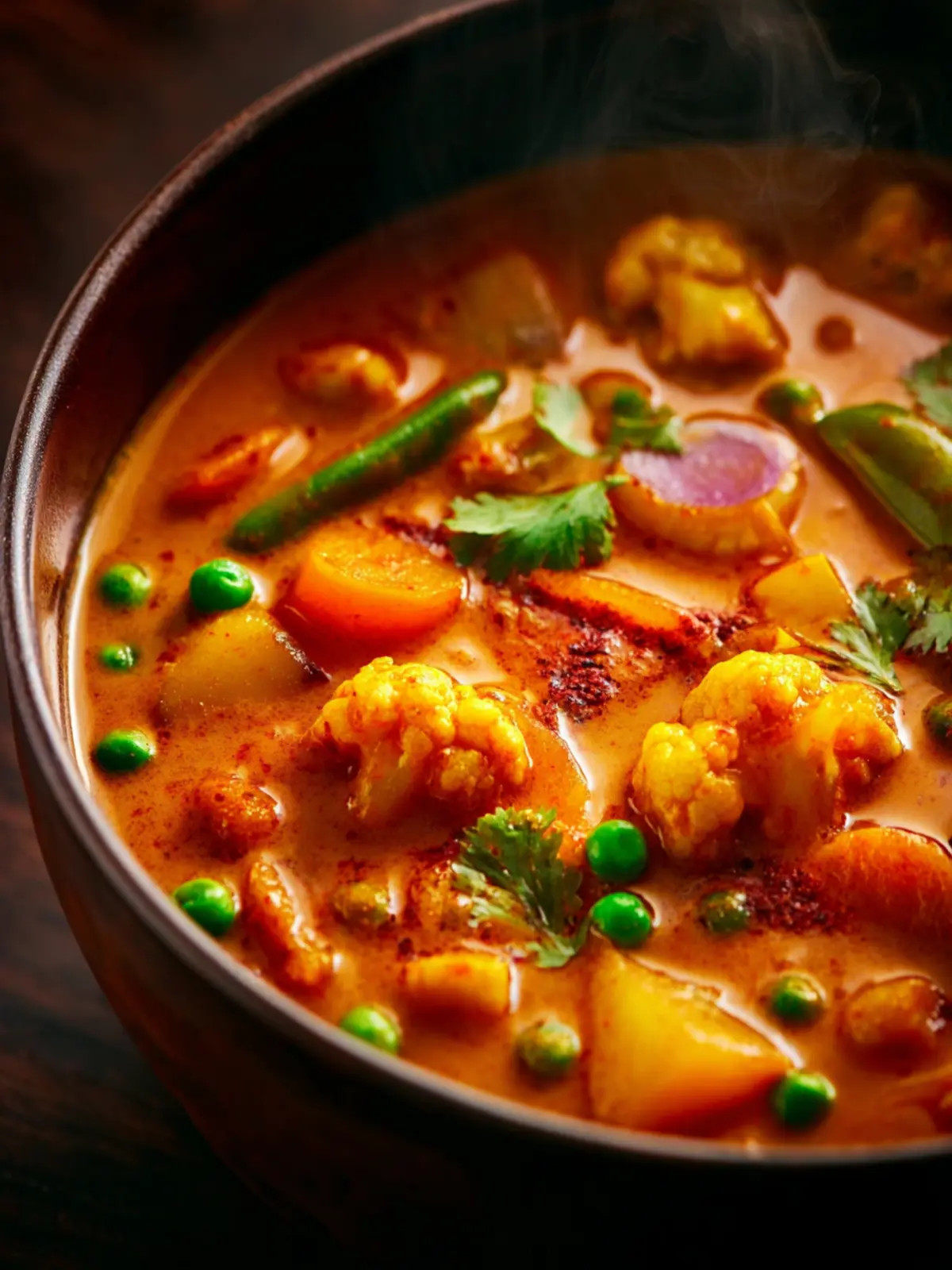
Key Ingredients for Vegetable Curry
Vegetable curry is a delightful medley of colors and flavors that can brighten any meal. The beauty of this dish lies in its adaptability; you can tailor it according to your preferences. Here are the key ingredients that create a flavorful base for your vegetable curry.
Vegetables: A vibrant mix of seasonal vegetables such as bell peppers, carrots, green beans, and zucchini works wonders. The key is to chop them into uniform sizes for even cooking. Feel free to swap in your favorites!
Onions: Sautéing finely chopped onions is essential for a depth of flavor. They add sweetness and a savory depth that forms the backbone of the curry.
Garlic and Ginger: Freshly minced garlic and ginger provide a fragrant kick, enhancing the dish’s aromatic profile. Their bold flavors complement the earthiness of the vegetables beautifully.
Coconut Milk: For a creamy texture, I love incorporating coconut milk. It adds a subtle sweetness and balances out the spices, making the curry rich and indulgent.
Spices: A blend of turmeric, cumin, coriander, and garam masala adds layers of flavor. These spices not only warm the curry but also offer health benefits, making it a nourishing choice.
These ingredients come together to create a wholesome vegetable curry that’s not just a meal, but an experience for your taste buds.
Why You’ll Love This Vegetable Curry
Imagine coming home after a long day, and the comforting aroma of a simmering vegetable curry greets you at the door. This dish isn’t just a meal; it’s a delightful experience that warms the soul. Packed with vibrant colors and wholesome ingredients, every bite takes you on a flavorful journey that celebrates the diversity of vegetables.
What makes this vegetable curry stand out?
-
Diverse Ingredients: This recipe uses an array of fresh vegetables like bell peppers, carrots, and peas, ensuring you get a range of vitamins and minerals. Each vegetable contributes its unique flavor and texture, making each spoonful exciting.
-
Savory Spices: The blend of spices—cumin, coriander, and turmeric—creates a symphony of flavors that elevates the dish from simple to extraordinary. These spices not only add warmth but are also known for their health benefits, making this curry both tasty and nutritious.
-
Customization: One of the best parts about this dish is its flexibility. Feel free to swap in seasonal vegetables or add your favorite proteins to suit your taste preferences.
-
Quick to Prepare: Whether you’re a culinary novice or a seasoned chef, this vegetable curry comes together effortlessly, making it the perfect weeknight dinner.
Once you try it, we’re sure you’ll find yourself craving this delectable vegetable curry again and again, ready to warm up on another busy evening.
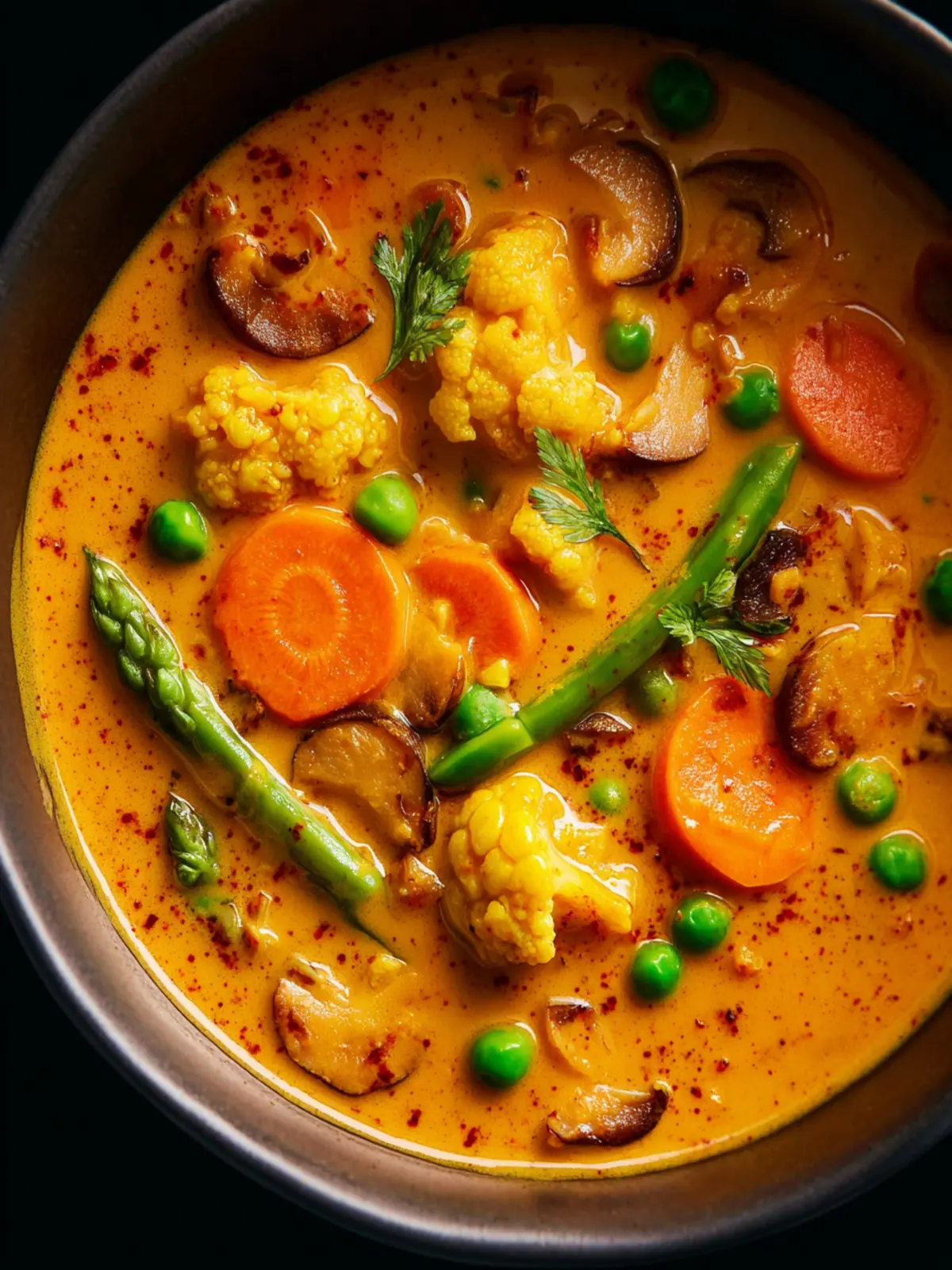
Variations of Vegetable Curry
Exploring the world of vegetable curry, you’ll discover it is a canvas that invites creativity and personal touches. Each variation offers a unique twist, influenced by culture, cuisine, and your taste preferences.
Thai Green Curry
One popular variation is the Thai Green Curry, famous for its vibrant color and fragrant blend of ingredients. Instead of traditional curry powder, you would use a green curry paste made with fresh herbs like basil and cilantro, which adds incredible freshness to your dish. Coconut milk gives it a creamy texture, melding beautifully with vegetables such as bell peppers, zucchini, and eggplant.
Punjabi Vegetable Curry
On the other side of the spectrum lies the Punjabi Vegetable Curry, a heartier option. This variation often features a rich tomato base spiced with garam masala, cumin, and coriander, giving it a warm, inviting flavor profile. Peas, potatoes, and carrots shine in this comforting dish, making it perfect for cooler evenings.
Japanese Vegetable Curry
If you’re feeling adventurous, why not try Japanese Vegetable Curry? It’s milder and sweeter compared to its Indian and Thai counterparts. The hallmark of this version is the use of curry roux, often incorporating root vegetables like daikon and carrots along with a touch of apple to enhance its sweetness.
By experimenting with these popular variations of vegetable curry, you can find the one that speaks to your culinary soul. Don’t hesitate to mix and match ingredients; after all, cooking is all about personal expression!
Cooking Tips and Notes for Vegetable Curry
Creating a flavorful vegetable curry is not just about throwing ingredients into a pot; it’s about crafting a delicious experience. The harmony of spices and fresh veggies can transport you straight to the vibrant streets of India with every bite. Here are some friendly tips to guarantee your curry shines.
Choose Fresh Ingredients
Opt for seasonal vegetables that are vibrant and fresh. Not only will they add a beautiful color to your vegetable curry, but they also enhance the flavor. Look for crisp bell peppers, firm zucchini, and tender spinach for the best results.
Perfecting Spice Blends
Spices are the heart of any curry. A well-balanced mix is key. Consider roasting whole spices like cumin seeds or coriander before grinding them to release their essential oils, providing an aromatic depth that pre-ground spices can’t match.
Cooking Technique Matters
Don’t rush the sautéing process! Gently caramelizing onions creates a sweet base. Always add spices at the right moment, usually after the onions, to allow them to bloom and infuse the oil, resulting in a more flavorful dish.
Let it Simmer
Allow your vegetable curry to simmer on low for at least 20-30 minutes. This not only blends the flavors but also allows the vegetables to soften, creating that perfect texture. Taste and adjust the seasoning as you go; a squeeze of lime juice or a pinch of salt can make all the difference.
With these tips, your vegetable curry will be a delightful centerpiece for any meal! Enjoy the delicious journey.

Serving Suggestions for Vegetable Curry
Crafting the perfect vegetable curry is only half the journey—how you serve it makes the experience truly special. Picture this: a warm bowl of aromatic curry, the vibrant colors dancing upon the plate. Here are some delightful ways to elevate your meal.
Accompanying Sides
- Basmati Rice: Fragrant and fluffy, basmati rice pairs beautifully with vegetable curry, soaking up the rich, spiced sauce.
- Naan Bread: Soft, pillowy naan is not just for scooping; its buttery goodness complements the curry’s spices effortlessly.
- Quinoa: For a healthful twist, serve your curry over quinoa. It adds a nutty flavor and extra protein.
Garnishing
- Fresh Cilantro: A sprinkle of chopped cilantro adds a fresh, herbaceous touch that brightens the dish.
- Lime Wedges: A squeeze of lime over your serving can cut through the richness and enhance the flavors.
Beverage Pairings
- Iced Tea or Mango Lassi: A refreshing iced tea or a creamy mango lassi will help balance the curry’s spices while adding a delightful layer of flavor.
These serving suggestions not only enhance the vegetable curry experience but also encourage a shared moment at the table, turning dinner into a vibrant gathering.
Time Breakdown for Vegetable Curry
Creating a delightful vegetable curry is an inviting journey, one that fills your kitchen with incredible aromas and textures that dance on your palate. Understanding the time involved can help you smoothly navigate this experience, making your cooking adventure enjoyable.
Preparation Time
You’ll need about 15-20 minutes to chop and prepare your vegetables, measure out spices, and gather your ingredients. It’s a great opportunity to get everything in order while letting your culinary creativity flow.
Cooking Time
The cooking process takes roughly 25-30 minutes. This includes simmering the vegetables until they’re tender and the flavors meld beautifully, resulting in a hearty dish that warms the soul.
Total Time
All in all, you’ll spend around 40-50 minutes from start to finish. This is the perfect time frame for a satisfying meal after a busy day, allowing you to savor the fruits of your labor without feeling rushed. Enjoy every moment!
Nutritional Facts for Vegetable Curry
Delving into a flavorful vegetable curry not only tantalizes the taste buds but also brings a bounty of nutrition to your plate. Each serving of this delightful dish is a harmonious blend of vegetables and spices that nourish your body while satisfying your cravings.
Calories
With around 220 calories per serving, this vegetable curry is a wholesome choice for those seeking a balanced meal without feeling weighed down.
Protein
Packed with about 7 grams of protein, the variety of vegetables and legumes in this dish ensures you’re fueling your body with essential nutrients, perfect for maintaining muscle health and keeping you energized throughout the day.
Sodium
Containing approximately 400 mg of sodium, this vegetable curry keeps your flavor game strong while remaining mindful of your sodium intake, making it suitable for a heart-healthy diet.
Enjoy this deliciously satisfying dish without guilt as you explore the vibrant world of vegetable curry!
FAQs about Vegetable Curry
Vegetable curry is not just a dish; it’s a comforting experience that brings warmth to your kitchen and nourishes the soul. Whether you have leftovers or are making it for meal prep, you might have some questions swirling in your mind. Here’s a friendly guide to help you navigate the ins and outs of creating delicious vegetable curry.
Can I use other vegetables in this curry?
Absolutely! One of the best aspects of vegetable curry is its versatility. Feel free to swap out the veggies based on what you have on hand or what’s in season. Popular options include:
- Zucchini
- Cauliflower
- Spinach
- Sweet potatoes
- Green beans
Get creative! A medley of different vegetables can enhance the flavors and nutrients, making your curry even more delightful.
How can I make this curry spicier?
If you’re looking to turn up the heat in your vegetable curry, consider these options:
- Fresh Chilies: Add diced fresh chilies, such as jalapeños or Thai bird chilies, to the curry. Adjust the amount based on your spice preference.
- Cayenne Pepper: A pinch of cayenne pepper can elevate the spice level without altering the flavor profile too much.
- Garam Masala: Incorporating more garam masala can also intensify the warmth and complexity of the dish.
Remember, it’s easier to add spice than to take it away, so start small and taste as you go.
What can I pair with vegetable curry for a complete meal?
For a balanced and satisfying meal, consider pairing your vegetable curry with:
- Rice: Basmati or jasmine rice serves as a classic accompaniment, soaking up the delicious sauce.
- Naan Bread: Soft, warm naan is perfect for scooping up curry and adds a lovely texture.
- Salad: A fresh cucumber or tomato salad can add a refreshing contrast to the warm spices.
Combining these elements creates a well-rounded dining experience that will leave you and your guests satisfied. Enjoy your curry adventure!
Conclusion on Vegetable Curry
Creating a delightful vegetable curry is not just about following a recipe; it’s a journey into the vibrant world of spices and fresh produce. As you savor the comforting blend of flavors, consider how this dish can easily adapt to your palate. You can explore different vegetables, grains, or even proteins, making each experience uniquely yours. Plus, it’s perfect for meal prep, serving as a nourishing option for busy weekdays. So why not invite a touch of warmth into your kitchen? Grab your favorite veggies and spices, and let the aroma of homemade vegetable curry brighten up your day.
Print
Vegetable Curry
- Total Time: 45 minutes
- Yield: 6 servings 1x
- Diet: Vegetarian
Description
A delicious and creamy vegetable curry made with sweet potatoes, cauliflower, and coconut milk.
Ingredients
Scale
- 1/4 cup coconut oil
- 1–1/2 cups finely diced yellow onion (1 large onion)
- 1–1/2 tablespoons finely minced ginger (1-inch piece)
- 1 tablespoon finely minced garlic (3 cloves)
- 3/4 teaspoon ground turmeric
- 1 teaspoon ground cumin
- 1 teaspoon garam masala
- 1 tablespoon yellow curry powder
- 1–1/2 teaspoons paprika
- 1–1/2 teaspoons ground coriander
- 2 tablespoons red curry paste
- to taste Salt and pepper
- 4–1/2 cups chopped sweet potatoes (3 medium-to-large potatoes)
- 3–1/2 cups chopped cauliflower (1 small head or 1/2 large head)
- 2 (13 oz) cans coconut milk
- 1 (14 oz) can fire-roasted crushed tomatoes
- 1 cup vegetable stock
- 3/4 cup frozen peas
- 1/3 cup finely chopped cilantro
- to taste Fresh lime juice (optional)
- optional Cooked basmati rice
- optional Naan
Instructions
- Dice onion, mince garlic, and mince ginger. Peel and dice sweet potatoes. Set aside.
- Add coconut oil to a large, cast-iron pot and heat on medium high. Once oil is melted, add onion, ginger, and garlic. Sauté until tender and very fragrant, about 7–9 minutes. Reduce heat to low if anything burns or gets too brown.
- Add spices to the pot: ground turmeric, cumin, garam masala, yellow curry powder, paprika, ground coriander, and red curry paste. Season to taste; add 1 and 1/4 teaspoons salt and 1/4 teaspoon pepper. Cook and stir until fragrant over medium-low heat, 1–3 minutes.
- Add cubed sweet potatoes and stir to coat in spices. Cook over low heat, stirring occasionally.
- Coarsely chop cauliflower; it doesn’t need to be in individual florets, just a quick coarse chop. Add cauliflower and stir to coat.
- Add coconut milk, crushed tomatoes, and vegetable stock. Stir and bring to a boil, then reduce heat to low and simmer, covered, 18–25 minutes or until veggies are tender. Remove lid and stir occasionally, every 7 or so minutes.
- Stir in frozen peas and diced cilantro. If desired, add some fresh lime juice or serve lime wedges with individual plates.
- Serve over cooked basmati rice with naan bread and enjoy immediately.
Notes
- Note 1: Red curry paste can vary in spice level, use according to taste.
- Note 2: Cooking basmati rice may add extra time to your preparation, plan accordingly.
- Prep Time: 15 minutes
- Cook Time: 30 minutes
- Category: Main Course
- Method: Stovetop
- Cuisine: Indian
Nutrition
- Serving Size: 1 cup
- Calories: 350
- Sugar: 5g
- Sodium: 300mg
- Fat: 20g
- Saturated Fat: 10g
- Unsaturated Fat: 6g
- Trans Fat: 0g
- Carbohydrates: 45g
- Fiber: 8g
- Protein: 6g
- Cholesterol: 0mg