
Follow Me On Social Media!

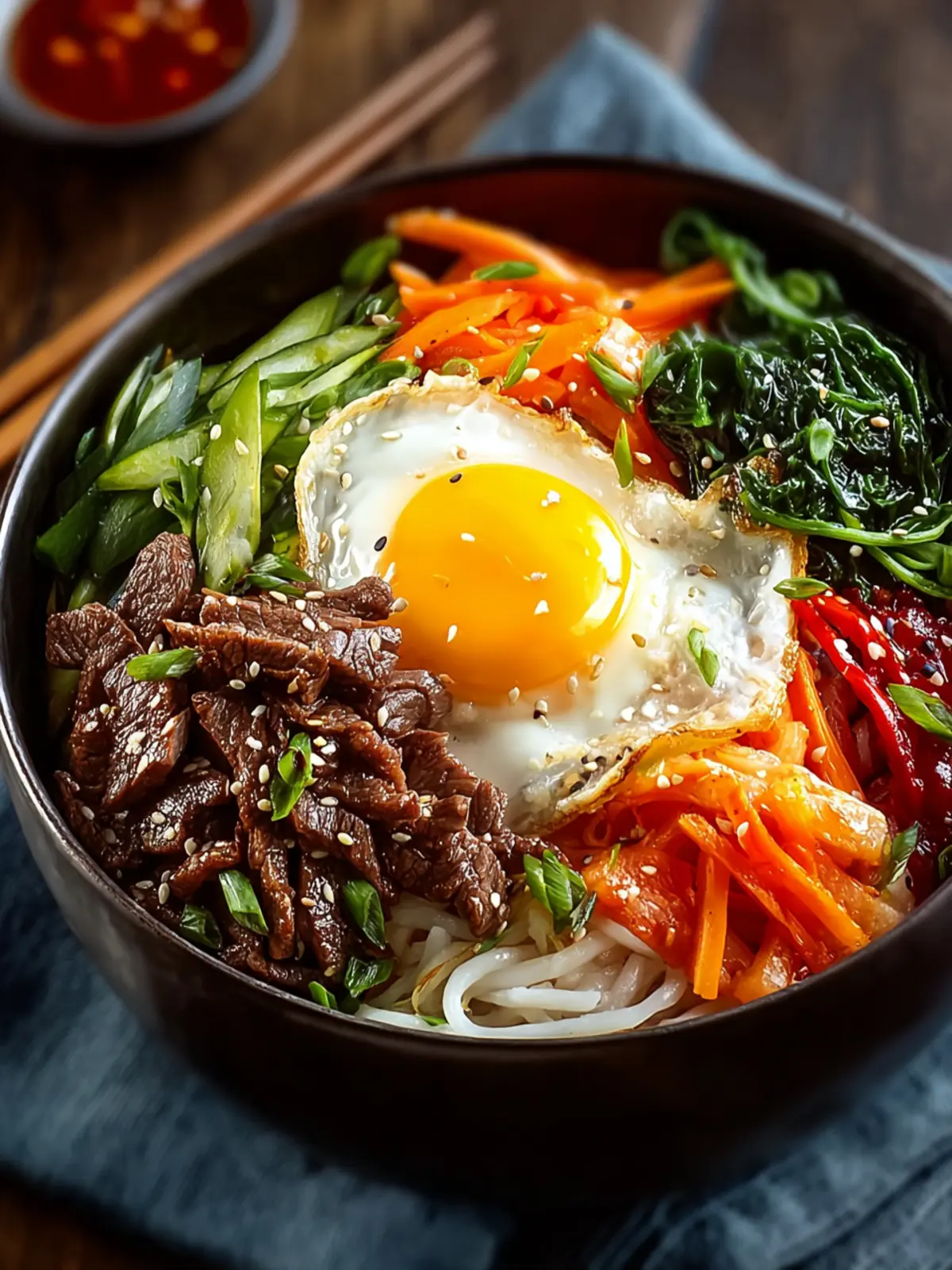
Korean Beef Bibimbap Bowl: Easy, Colorful Comfort in a Bowl

Introduction to Korean Beef Bibimbap Bowl: Quick, Colorful Comfort Food
The Korean Beef Bibimbap Bowl isn’t just a meal; it’s a vibrant tapestry of flavors and textures that tells a story with every bite. Imagine a bustling Korean market, alive with the aroma of sizzling meats and the crisp snap of fresh vegetables, enticing you to dive into a bowl brimming with goodness. This dish is a perfect fusion of sweet, savory, and spicy notes, making it a culinary adventure that is as exciting to eat as it is to prepare.
So, what makes this bowl truly special? It’s all about balance. Each ingredient plays its part in creating a symphony of tastes and colors. Heaped with succulent beef marinated to perfection, gleaming vegetables like carrots and spinach, and topped with a fried egg, this dish is not just visually appealing but also offers a nourishing experience that feels like a warm hug on a busy day.
What inspired this delightful dish?
The origins of bibimbap can be traced back to ancient Korea, where it was traditionally served as a way to use up leftover ingredients. This spirit of resourcefulness is echoed in many kitchens today, and it’s this adaptability that largely inspires the Korean Beef Bibimbap Bowl. The dish combines elements that reflect your own pantry and preferences while encouraging creativity in how you arrange the vibrant ingredients.
Whether you are pressed for time after a long day at work or hosting friends over the weekend, this bibimbap bowl comes to the rescue with its quick preparation and joyful presentation. The beauty lies in the customization; there’s no wrong way to construct your bowl. Simply choose your favorite proteins and veggies, and don’t forget the quintessential gochujang sauce that offers a delightful kick.
Once you’ve tasted a bite of this colorful dish, you’ll find yourself returning to it time and again—making it a staple in your quick and comforting meals. Aren’t you curious to whip up your own Korean Beef Bibimbap Bowl? Let’s dive into the ingredients that make this bowl a delicious reality!
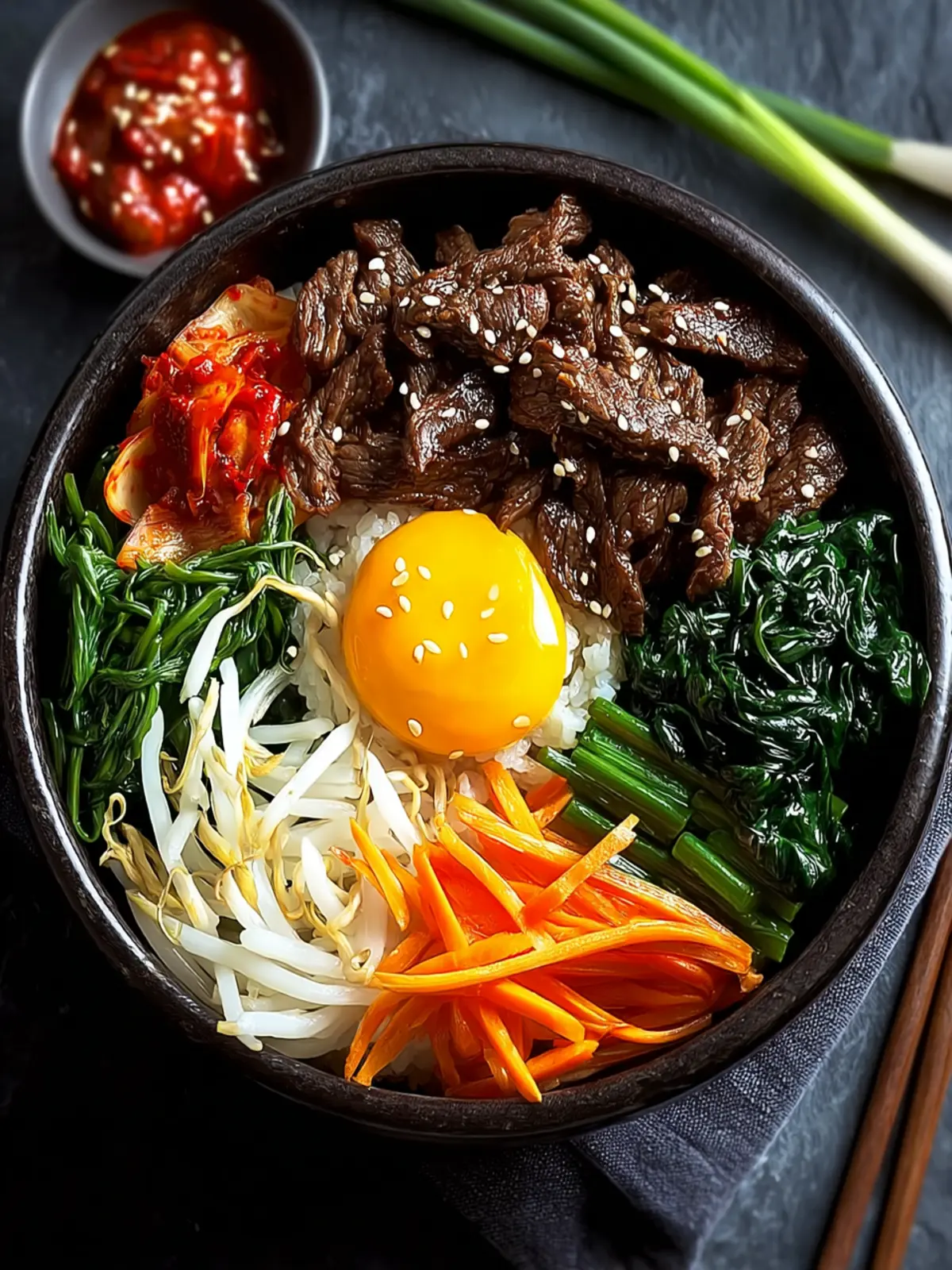
Key Ingredients for Korean Beef Bibimbap Bowl
Becoming familiar with the Korean Beef Bibimbap Bowl means diving into the heart of flavor, color, and texture that this dish embodies. Each ingredient tells a story, bringing together a mix of wholesome goodness and delightful tastes that transport you straight to a bustling Korean market.
-
Ground Beef: For this dish, I prefer using lean ground beef, which provides the ideal balance of flavor and texture. Sautéing it with soy sauce and a hint of sugar creates a rich, savory foundation.
-
Rice: Short-grain white rice is my go-to for a traditional bibimbap base. It’s sticky and slightly chewy, making it perfect for holding the toppings together.
-
Vegetables: This bowl shines with a colorful array of sautéed and fresh vegetables. I love using carrots, spinach, and zucchini, each adding crunch and a vibrant aesthetic.
-
Eggs: Topped off with a sunny-side-up egg, the yolk adds creaminess and richness, tying the whole dish together.
-
Gochujang: This fermented chili paste brings the heat. Just a dollop stirred in at the end elevates the flavor profile, making every bite a delightful experience.
As you gather these key ingredients, you’ll realize that the Korean Beef Bibimbap Bowl is not just a meal; it’s a culinary journey waiting to be experienced.
Why You’ll Love This Recipe
Korean Beef Bibimbap Bowl is the perfect dish that combines vivid colors, diverse textures, and a burst of flavors, all piled into one gorgeous bowl. In this recipe, every bite transports you to a bustling Seoul street market, where comfort meets elegance.
Flavor explosion in every bite
One of the best things about the Korean Beef Bibimbap Bowl is its fantastic flavor profile. The savory marinated beef pairs beautifully with fresh vegetables, while the gochujang sauce adds that essential kick of heat. Topped with a fried egg, each mouthful is a delightful combination of spicy, savory, and umami goodness, making it nearly impossible to have just one serving.
Quick and easy preparation
For young professionals in a hurry, this recipe is a lifesaver. With preparation and cooking time totaling around 30 minutes, it’s designed for those evenings when you want something tasty without spending hours in the kitchen. The straightforward steps make it manageable, even for those new to cooking.
Versatility for customization
What’s more, the Korean Beef Bibimbap Bowl is highly customizable. Don’t have certain vegetables on hand? No problem! Substitute based on your preferences or whatever you have in your fridge. Whether you’re going vegetarian with tofu or adding your favorite grains, this dish adapts flawlessly to suit any dietary need or craving.
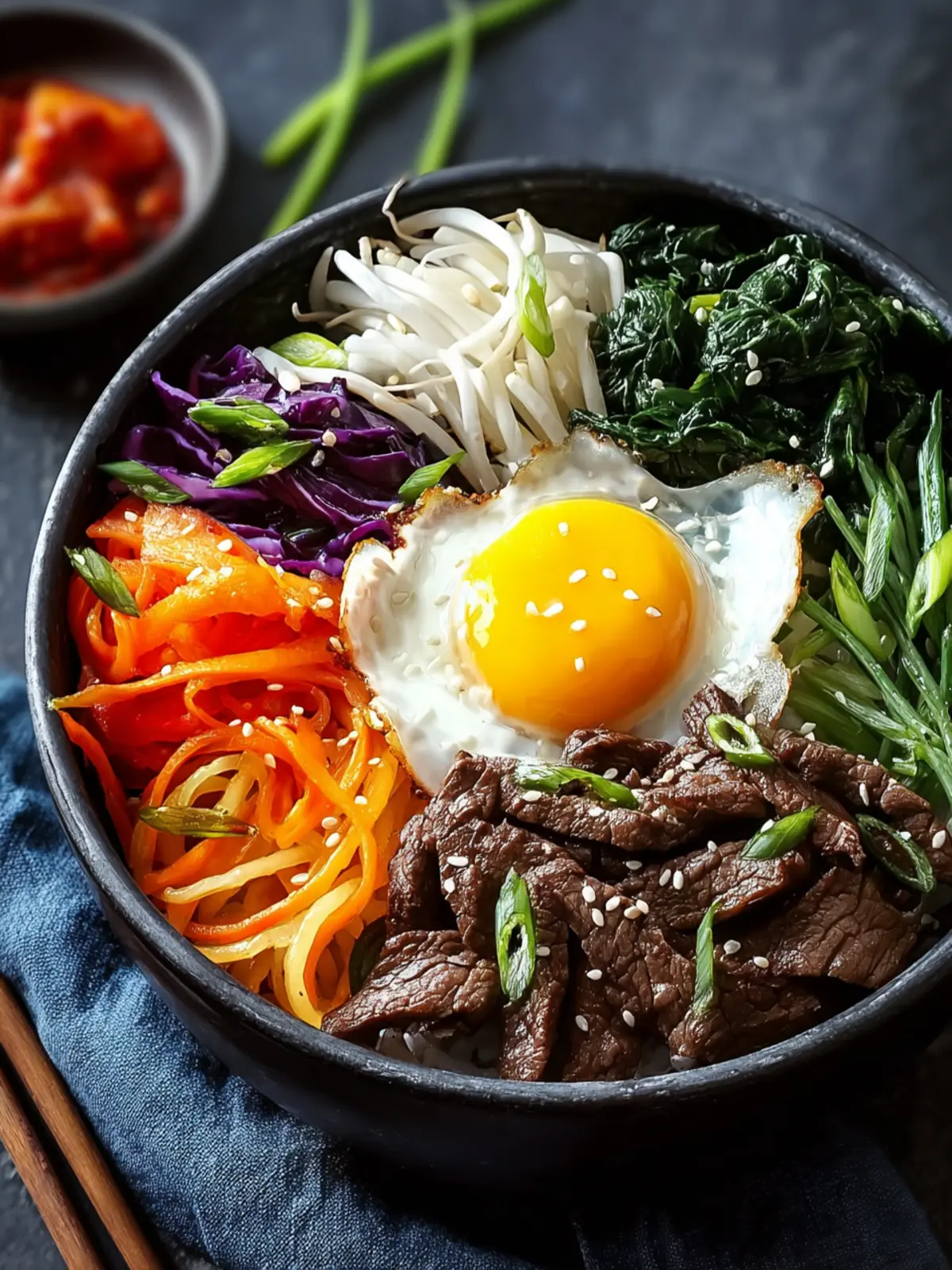
Cooking Tips and Notes
Creating the Korean Beef Bibimbap Bowl is not just about following a recipe. It’s an experience that opens the door to a world of flavors and textures. Let’s enhance it with some thoughtful tips.
Ingredient Substitutions
- Beef: If you’re pressed for time, ground turkey or tofu can serve as excellent alternatives. Both absorb flavors beautifully and keep the dish light.
- Vegetables: Feel free to swap out traditional vegetables like spinach or carrots for whatever you have on hand—think bell peppers, zucchini, or mushrooms.
- Rice: While white rice is classic, using quinoa or brown rice can add a nutty flavor and boost the nutritional content.
Importance of Layering and Presentation
The beauty of a Korean Beef Bibimbap Bowl lies in its vibrant layers. Start with the rice at the bottom, followed by your cooked beef, and then each vegetable in its own section. This not only looks stunning but also allows you to mix flavors gradually as you eat.
Cooking Techniques for Best Results
- Marinating the Beef: A good marinate enhances the meat’s flavor profile. Aim for at least 30 minutes to let those flavors sink in.
- Searing: For that delectable caramelization, ensure your pan is hot before adding the beef. This locks in the juices and gives a lovely texture.
- Frying the Egg: A sunny-side-up egg adds richness. The yolk should be slightly runny, allowing it to blend with the other ingredients as you dig in.
These guidelines can help elevate your Korean Beef Bibimbap Bowl, making it more than just a meal—it’s an experience!
Serving Suggestions
Bowl Arrangements for Presentation
Elevate your Korean Beef Bibimbap Bowl by arranging the ingredients in vibrant, eye-catching layers. Start with a generous helping of rice as the base, and then artfully place the marinated beef, colorful vegetables, and soft egg on top. Don’t forget to create a rainbow effect with your veggies—think sliced carrots, spinach, and daikon radish! A drizzle of spicy gochujang or sesame oil adds both flavor and visual appeal. When serving, encourage your guests to mix everything together, creating their own unique flavor profile.
Flavorful Side Dish Pairings
Pair your Korean Beef Bibimbap Bowl with some classic side dishes to round out the meal. Kimchi is a must for its tangy crunch. You might also consider serving a light cucumber salad, seasoned with vinegar and sesame seeds, or even some crispy spring rolls for added texture and fun.
Ideal Occasions for Serving
This dish is perfect for casual weeknight dinners or festive gatherings. Whether it’s a chill get-together with friends or a cozy family meal, the colorful, aromatic presentation of a Korean Beef Bibimbap Bowl is sure to impress. Plus, it’s quick to assemble, making it a fantastic option for busy professionals craving home-cooked comfort food.
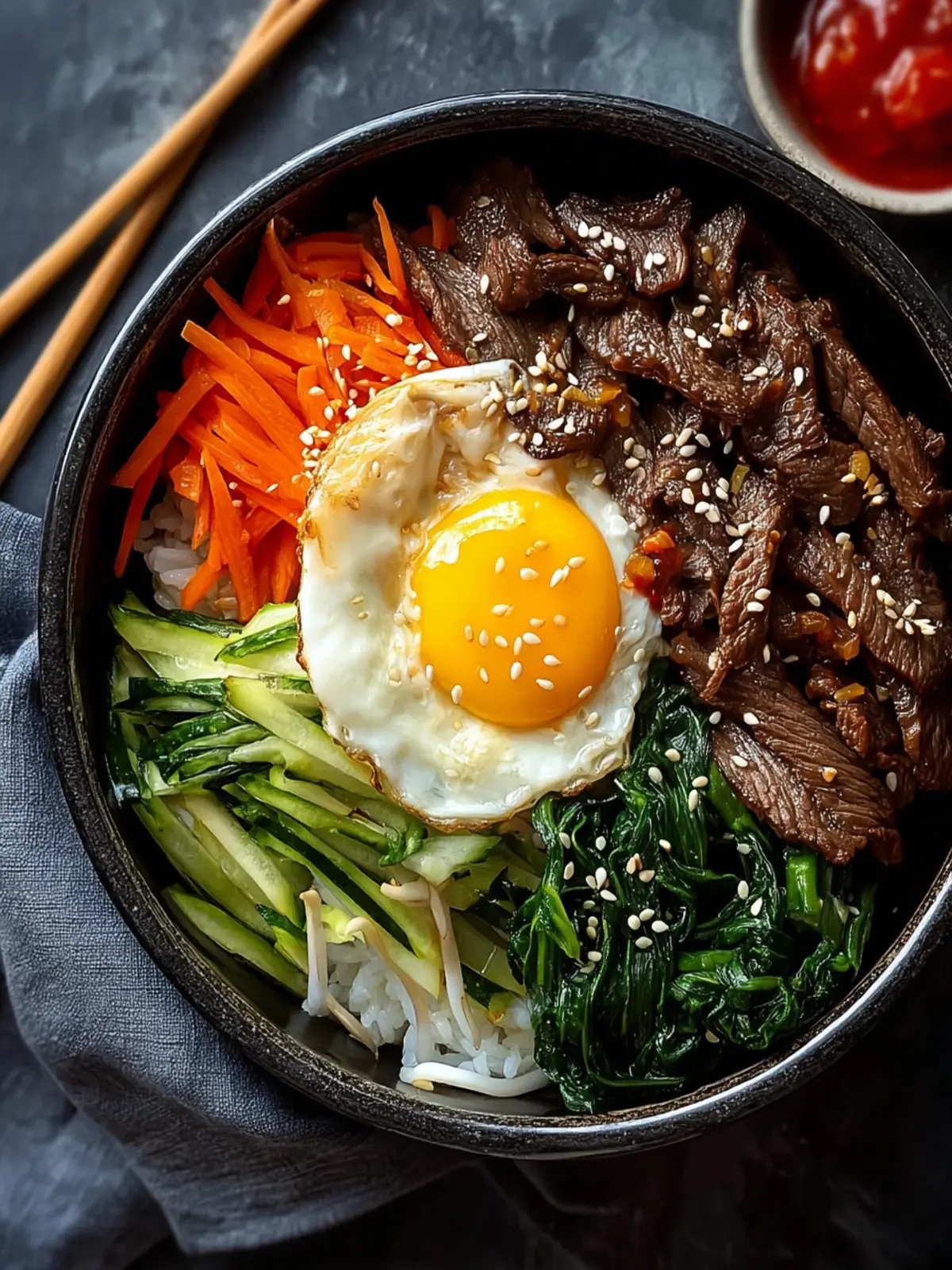
Time Breakdown for Korean Beef Bibimbap Bowl
Crafting a delightful Korean Beef Bibimbap Bowl is not only a treat for the taste buds but also a quick endeavor that fits seamlessly into a busy lifestyle. Here’s how the time adds up:
Preparation time
Spend about 15 minutes gathering your ingredients, slicing vegetables, and marinating your beef for that perfect flavor infusion.
Cooking time
The actual cooking takes about 20 minutes, where you’ll be busy sautéing, frying eggs, and assembling your vibrant bowl.
Total time
In just about 35 minutes, you can have a wholesome Korean Beef Bibimbap Bowl ready to enjoy—perfect for a weeknight dinner or a satisfying lunch!
Nutritional Facts for Korean Beef Bibimbap Bowl
When it comes to enjoying a comforting yet nutritious meal, the Korean Beef Bibimbap Bowl stands out for its delightful combination of vibrant ingredients and flavors. Not only is it a joy to eat, but it also packs a healthy punch for those bustling through life.
Calories
A single serving of the Korean Beef Bibimbap Bowl offers about 500 calories, making it a great option for lunch or dinner without weighing you down.
Protein
Fuel your busy day with approximately 30 grams of protein per serving, thanks to lean beef, eggs, and assorted vegetables. This protein boost helps keep you satisfied longer.
Carbohydrates
At around 60 grams of carbohydrates, this bowl provides a balanced source of energy, blending the goodness of brown rice and fresh veggies for a nutritious kick.
Eating deliciously and healthily has never been easier!
FAQ about Korean Beef Bibimbap Bowl
Creating a Korean Beef Bibimbap Bowl at home is an exciting culinary adventure, but you may have some common questions. Here’s a helpful guide to enhance your experience!
Can I make this bowl vegetarian?
Absolutely! To transform your Korean Beef Bibimbap Bowl into a vegetarian delight, simply swap out the ground beef for a plant-based alternative like crumbled tofu, tempeh, or seitan. You can also amp up the flavor by sautéing your veggies with a savory stir-fry sauce or marinating them with Korean flavors. Don’t forget to include a variety of colorful vegetables such as bell peppers, zucchini, and mushrooms, which add great texture and nutrients.
How do I adjust for meal prep?
Meal prepping this Korean Beef Bibimbap Bowl is a breeze! Start by cooking your beef and vegetables in bulk. Portion out servings of the beef, veggies, and cooked rice into separate containers. You can store the gochujang (Korean chili paste) sauce in small jars for easy access. Keep your ingredients fresh by adding your sunny-side-up egg just before serving. This way, you can enjoy this delightful bowl throughout the week without losing its vibrant flavors!
What is the best way to store leftovers?
To keep your Korean Beef Bibimbap Bowl fresh, store each component separately in airtight containers. Refrigerate cooked beef, vegetables, and rice individually to maintain their textures and flavors. Leftovers can last up to three days in the fridge. When you’re ready to enjoy them again, simply reheat in the microwave or on the stovetop. To revive the dish, add a splash of water before reheating to keep everything moist and delicious!
Conclusion on Korean Beef Bibimbap Bowl
In summary, the Korean Beef Bibimbap Bowl showcases a delightful harmony of flavors and textures, making it a perfect candidate for a fast, nutritious meal. Picture colorful veggies mingling with savory beef over a bed of warm rice, topped with a delightful egg. This dish not only bursts with freshness but is also highly customizable—feel free to experiment with different vegetables or protein options. Whether you’re meal prepping for the week or enjoying a cozy dinner at home, this bibimbap bowl will surely bring joy to your table. Dive in and savor the experience of Korea’s beloved comfort food!
Print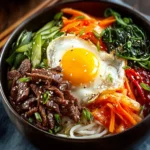
Spicy Korean Beef Bowls
- Total Time: 40 minutes
- Yield: 4 servings 1x
- Diet: Balanced
Description
A deliciously spicy Korean beef bowl featuring lean ground beef and assorted vegetables.
Ingredients
Scale
- 1 pound Lean Ground Beef
- 3 tablespoons Gochujang Sauce
- 2 tablespoons Low-Sodium Soy Sauce
- 1 tablespoon Sesame Oil
- 2 cups Short-Grain White Rice
- 1 cup Carrots (julienned)
- 2 cups Fresh Spinach
- 1 cup Zucchini (sliced)
- 1 cup Bean Sprouts
- 4 medium Eggs
Instructions
- Cook Rice: Begin by following the package directions for your short-grain rice, which usually takes about 20 minutes to cook until tender and slightly sticky.
- Brown the Beef: In a skillet over medium-high heat, brown 1 pound of lean ground beef for about 5-7 minutes. Make sure to drain any excess fat.
- Flavor the Beef: Stir in the gochujang sauce, low-sodium soy sauce, and sesame oil. Let it simmer on low for 5 minutes.
- Sauté Vegetables: Heat a splash of sesame oil in a separate pan, add in the julienned carrots, sliced zucchini, spinach, and bean sprouts. Sauté for about 7 minutes.
- Fry Eggs: Cook sunny-side-up eggs in a non-stick pan for about 3 minutes until whites are set and yolks remain runny.
- Assemble Bowls: Layer cooked rice in bowls, topped with beef mixture and sautéed vegetables. Finish with a fried egg and additional gochujang.
Notes
- Substitute lean ground beef with ground turkey or tofu for a healthier option.
- Adjust the amount of gochujang sauce for desired heat.
- Use tamari instead of low-sodium soy sauce for a gluten-free alternative.
- Garden vegetables such as bell peppers or radishes can replace julienned carrots.
- Fresh spinach can be swapped for bok choy or kale.
- Zucchini can be replaced with summer squash if preferred.
- Bean sprouts are optional; water chestnuts can be used as a replacement.
- Prep Time: 10 minutes
- Cook Time: 30 minutes
- Category: Dinner
- Method: Stovetop
- Cuisine: Korean
Nutrition
- Serving Size: 1 bowl
- Calories: 600
- Sugar: 3g
- Sodium: 800mg
- Fat: 30g
- Saturated Fat: 10g
- Unsaturated Fat: 18g
- Trans Fat: 0g
- Carbohydrates: 60g
- Fiber: 5g
- Protein: 30g
- Cholesterol: 180mg