Follow Me On Social Media!

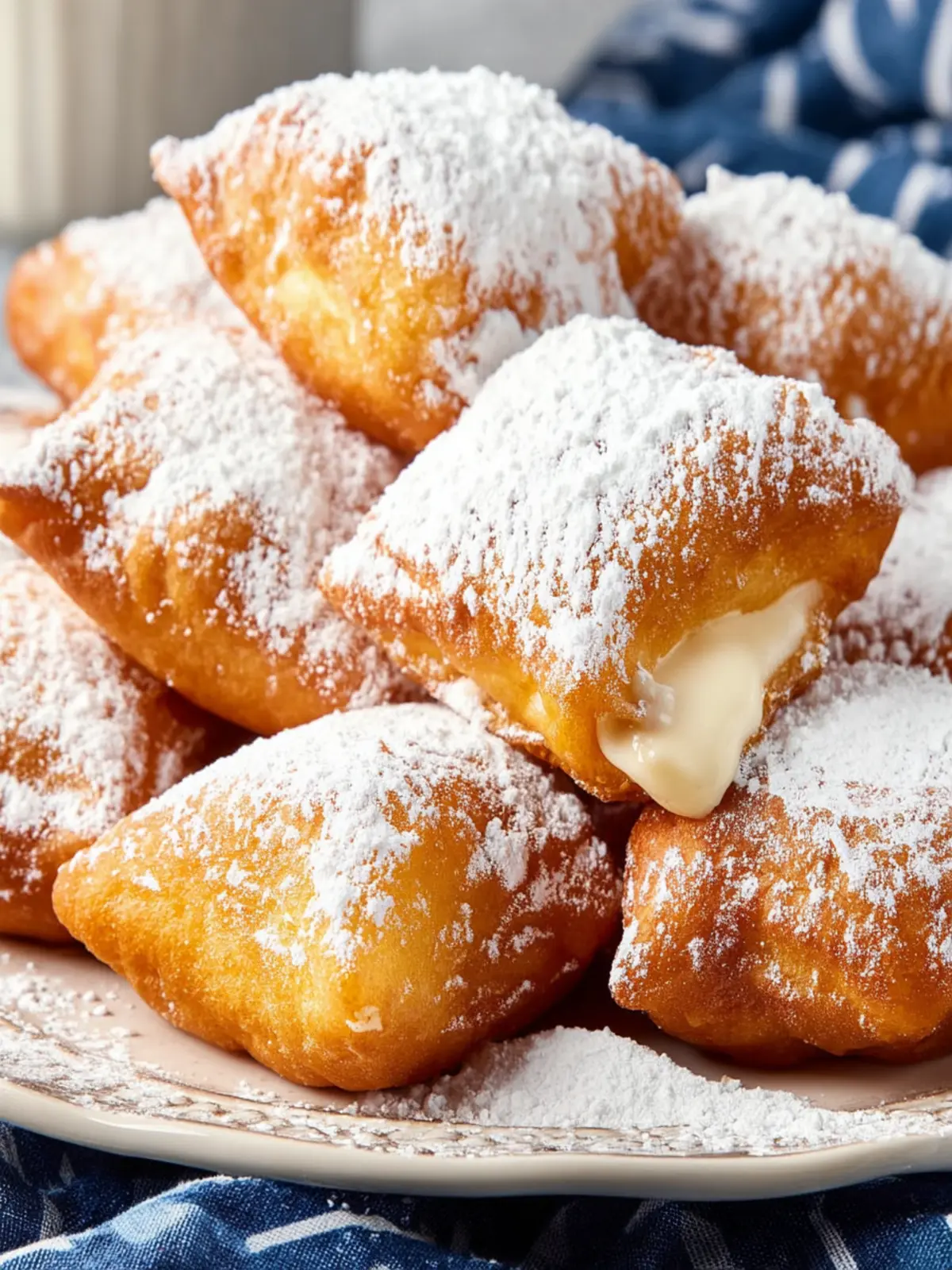
Beignets: Irresistibly Sweet, Perfect for Cozy Mornings

Introduction to Beignets
Beignets are more than just sweet treats; they are little pillows of happiness that transport you straight to the streets of New Orleans with every bite. Imagine the warm aroma of sugar and dough mingling in the air, drawing you in like a siren’s call. Originating in French cuisine, these delectable pastries have been embraced by cultures around the world, each adding their own twist while keeping the essence of what makes beignets special intact.
The very first time I sank my teeth into a beignet, I was fascinated by how a simple combination of flour, sugar, and yeast could create something so indulgent yet comforting. As you lift a hot beignet from the fryer, the exterior shatters beautifully, giving way to a soft and airy center. Dusting it with powdered sugar adds a touch of magic—a generous snowfall that makes these pastries even more inviting.
Whether you’re enjoying them at a café while sipping your morning coffee or sharing them with friends at a weekend brunch, beignets encapsulate the joy of good company and delicious food. With their versatile nature, they can be served plain or filled with an array of delightful options, from chocolate to fruit jams. The possibilities are endless!
As you delve deeper into the world of beignets, you’ll discover that they’re not just a snack; they’re an experience. Each bite is a moment of indulgence, a sweet escape from the hustle and bustle of daily life. So, are you ready to embark on this culinary adventure? Let’s explore the magic of making these warm, fluffy beignets right in your own kitchen and celebrate the simple pleasure they bring.
The Magic of Warm, Fluffy Beignets
Beignets have a way of making any moment special. Picture this: a rainy weekend morning, the sound of raindrops against the window, and the enticing scent of frying dough filling your kitchen. Each beignet floats delicately on the surface of the oil, transforming from a humble piece of dough into a golden brown delight.
The joy of beignets doesn’t just come from their taste; it’s about the memories they create. Whether you’re enjoying them alone or surrounded by loved ones, these pastries have a unique ability to draw people together. So grab your apron, channel your inner pastry chef, and let’s get started!
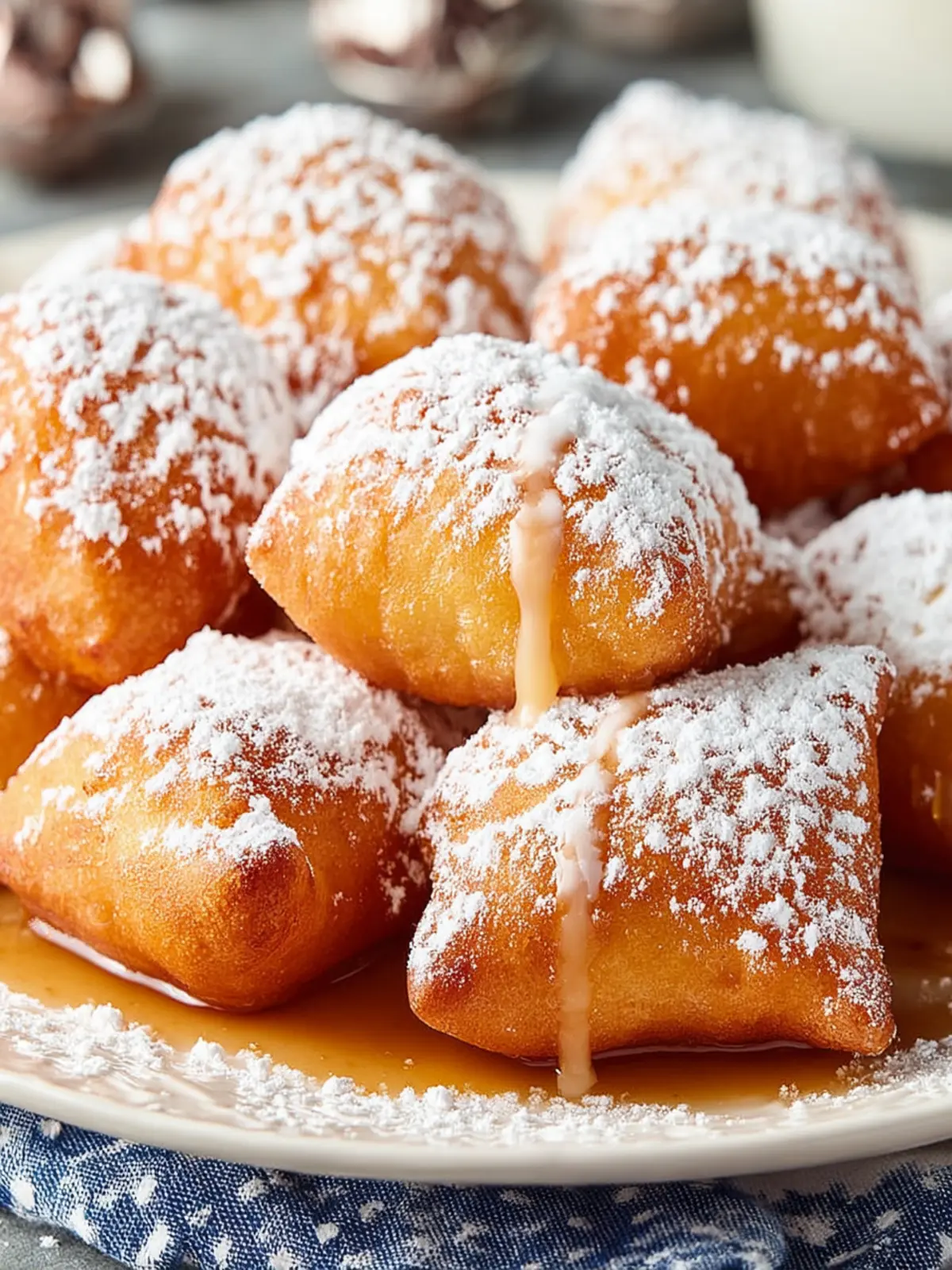
Key Ingredients for Beignets
Creating the perfect beignets is as much about the ingredients as it is about the technique. Each component works harmoniously to achieve that light and fluffy texture with a delightful sweetness.
Warm Water and Yeast: At the heart of your dough, warm water—ideally around 100°F—activates the yeast, allowing your beignets to rise beautifully. This step is crucial for achieving that signature fluffiness.
Granulated Sugar: A dash of sweetness kickstarts the yeast while enhancing the overall flavor of the dough. I recommend splitting the sugar into two portions: one for activation and another for the dough, creating a balanced sweetness.
All-Purpose Flour: This ingredient is essential for structure. I lean toward all-purpose flour as it yields a tender yet sturdy texture, keeping your beignets intact and enjoyable.
Salt: A pinch is all you need. It elevates flavors without overshadowing the subtle sweetness your beignets are known for.
Unsalted Butter: Adding melted butter to the dough infuses richness and keeps it soft and elastic, leading to delightful bites.
Whole Milk: Using lukewarm whole milk combines smoothly into your mixture, adding a creaminess that enriches your beignet experience.
Eggs: The eggs—and particularly the yolk—infuse your beignets with flavor and contribute to that irresistibly soft texture.
Neutral Oil: For frying, opt for neutral oil with a high smoke point. This ensures a golden exterior while cooking your beignets to perfection.
Powdered Sugar: Finally, let’s not forget that generous dusting of powdered sugar. It is a hallmark of traditional beignets, offering a sweet burst with every bite.
Armed with these key ingredients, you’ll be well-equipped to create your very own delicious beignets at home!
Why You’ll Love This Recipe
Imagine biting into a warm, fluffy beignet, dusted with powdered sugar, and experiencing that moment of pure bliss as it melts in your mouth. This recipe for beignets isn’t just about making delightful treats; it’s about creating a moment of joy. Perhaps you recall a charming café on a bustling New Orleans street where the air buzzes with laughter and the aroma of freshly fried dough beckons. With this recipe, you can recreate that experience in your own kitchen.
The Allure of Beignets
Creating these delectable beignets is not only enjoyable but also rewarding. Here’s why you’ll love it:
- Simplicity: The ingredients are straightforward, making it accessible for even novice bakers. You likely have most of them in your pantry already!
- Versatility: While they’re perfect for breakfast, beignets can easily transition to a delightful dessert or afternoon snack.
- Immersive Experience: The process of frying and perfecting your beignets can be a fantastic opportunity to share laughs and stories, whether you’re cooking solo or with friends.
- Customizable: Once you master the classic version, why not experiment with fillings or toppings to cater to your personal taste or mood?
So roll up your sleeves and get ready for a delicious adventure with this beignet recipe that will have everyone asking for seconds!
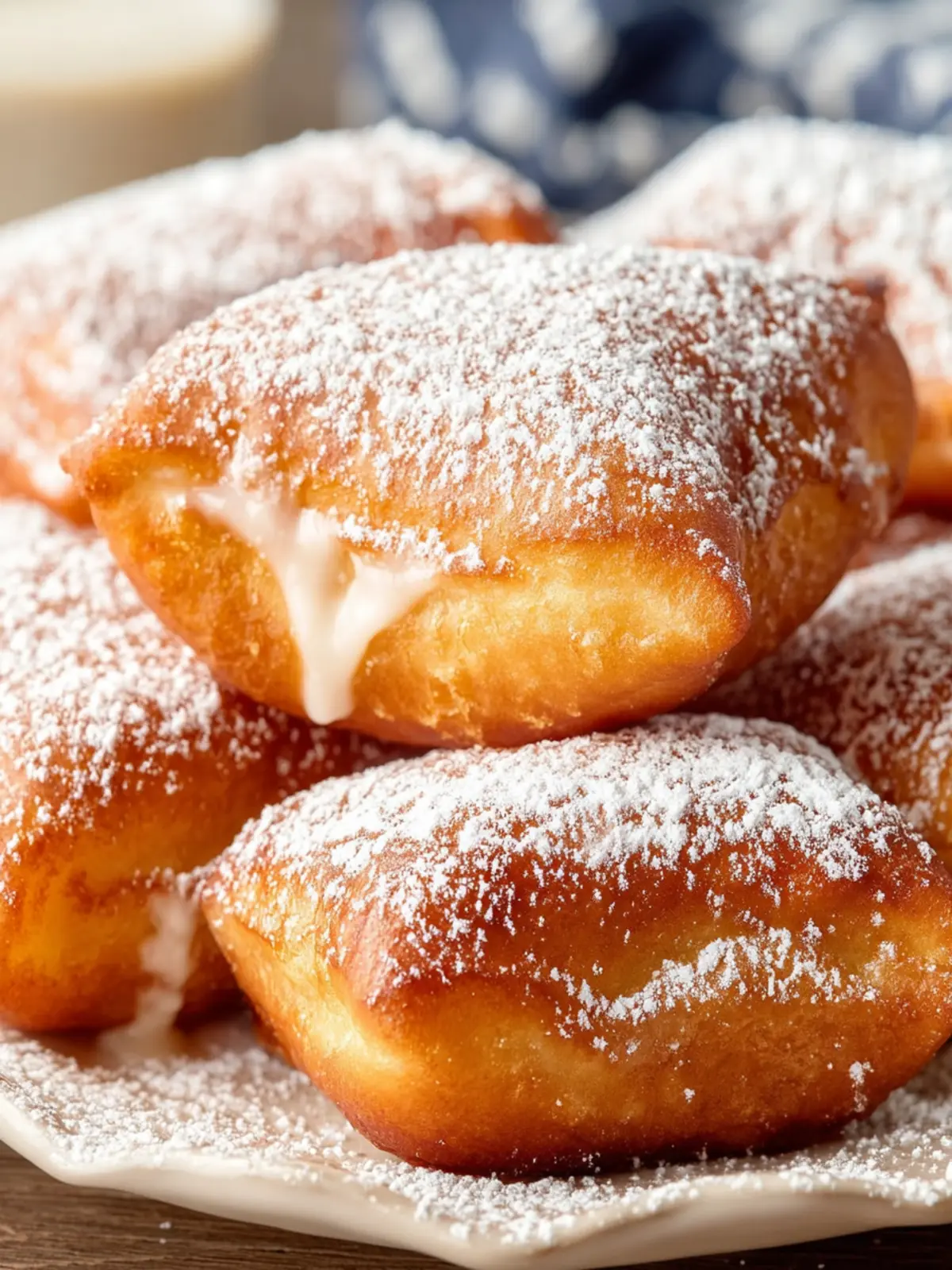
Variations of Beignets
Beignets are delightful little pillows of sweetness, inviting you to indulge in their fluffy, golden goodness. But did you know there are countless variations of beignets that can elevate this classic treat? Each variation can bring a new twist to your taste buds while keeping the core essence of beignets intact.
Classic Beignets
The traditional New Orleans beignets are irresistibly simple, coated generously in powdered sugar. It’s hard to beat the comforting nostalgia that comes from their classic form, especially enjoyed with a cup of chicory coffee!
Chocolate Delight
If you’re craving something a bit richer, consider a chocolate-filled variation. Simply fill the dough with melted chocolate or a chocolate hazelnut spread before frying. The result? A gooey surprise that oozes joy at every bite.
Fruit-infused Beignets
For a fruity twist, try adding fresh fruit to the dough or a fruit compote filling. Blueberries or cherries can add a lovely tartness, harmonizing beautifully with the sweetness of the fried pastry.
Savory Option
For those who prefer savory over sweet, consider making cheese-filled beignets. A mix of your favorite cheese can be encased in the dough, resulting in a delightful contrast to the traditional sweet model.
Exploring these variations of beignets can turn your usual treat into an adventure, bringing everyone to the table to share in the delight!
Cooking Tips and Notes for Beignets
Making beignets is a delightful journey that transports you straight to the lively streets of New Orleans. As you craft these light and fluffy doughnuts, keep these tips and notes in mind to enhance your cooking experience.
Choose the Right Flour
For the best texture, stick with all-purpose flour. It provides just the right balance between lightness and structure. If you’re feeling adventurous, you can experiment with a portion of cake flour to achieve an airier bite.
Perfecting the Dough
When mixing the dough, be careful not to over-knead it. The beauty of beignets lies in their tender crumb. Aim for a smooth dough that’s just combined; it should still feel slightly sticky. Letting it rest is crucial for achieving that signature fluffiness, so don’t rush the rising time.
Temperature Matters
Maintain the oil temperature around 350°F (175°C) for perfectly fried beignets. If it’s too hot, the outside will brown too quickly while the inside remains doughy. If too cool, they may absorb excess oil, losing that delightful crispness.
Dust with Care
While powdered sugar is the classic finish, don’t overload your beignets. A light dusting right before serving keeps them looking beautiful and enhances the eating experience without overwhelming sweetness.
By keeping these thoughtful tips in mind, you’ll create warm, pillowy beignets that not only taste incredible but also tell a story with every bite. Enjoy the process and the delicious results!
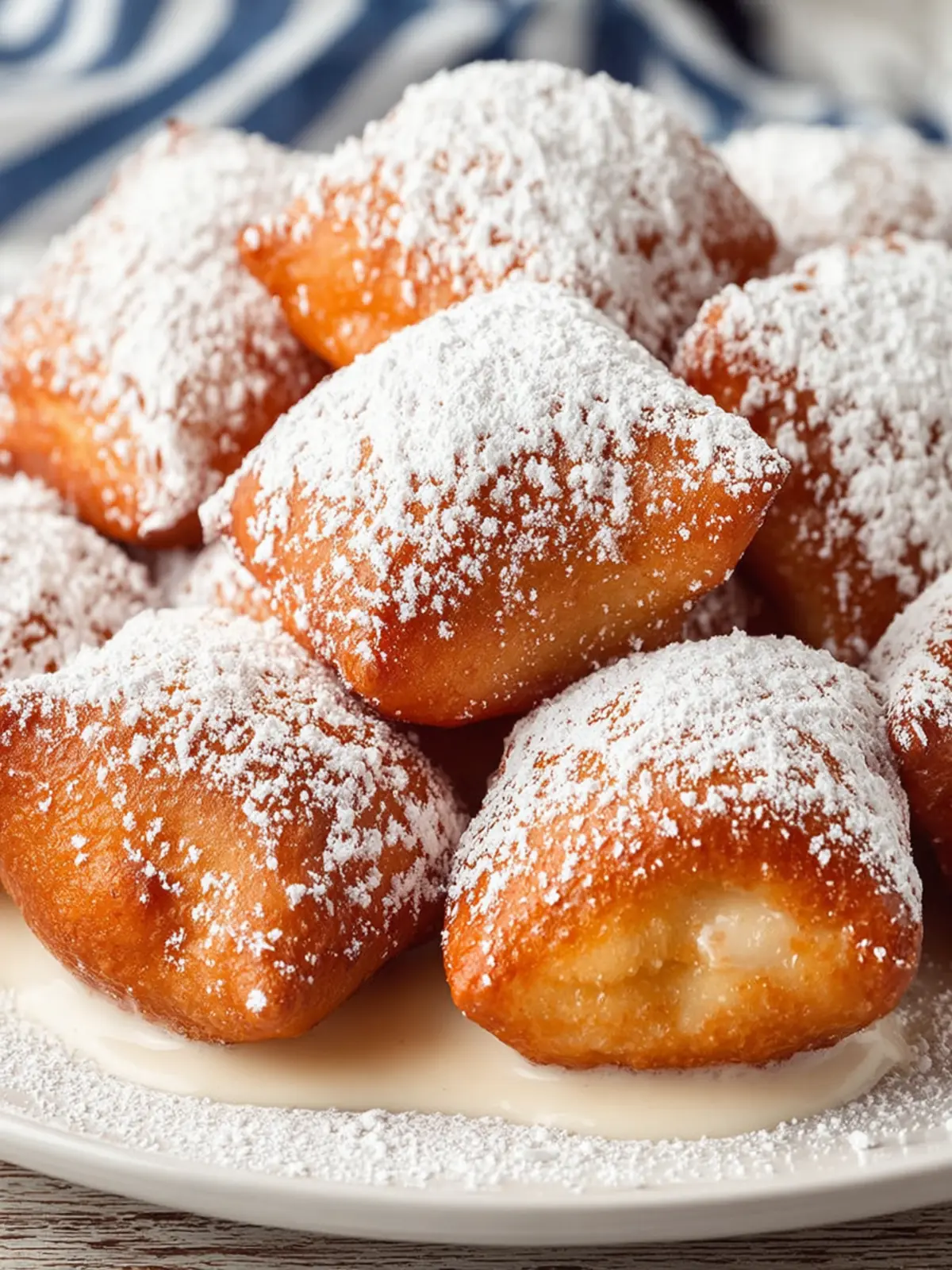
Serving Suggestions for Beignets
Ah, beignets — those fluffy, pillowy delights that seemingly melt in your mouth, transporting you straight to the streets of New Orleans with every bite. But how can you elevate these delightful pastries even further? Here are some serving suggestions that can add a little flair to your beignet experience.
Classic Powdered Sugar
The only way to truly serve beignets is with a generous dusting of powdered sugar. It’s a classic pairing, and that sweet, snowy coat complements the warm, rich flavors of the pastry perfectly. Be ready for the clouds of sugar that may spill onto your plate — it’s all part of the fun!
Dipping Sauces
Why stop at just sugar? Consider offering a variety of dipping sauces such as rich chocolate ganache, velvety caramel, or even zesty fruit compote. These additions not only add flavor but also make for a delightful interactive experience.
Coffee or Chicory
To round out your beignet experience, serve them alongside a steaming cup of chicory coffee or café au lait. The flavors meld beautifully, creating a perfect brunch or afternoon treat that will leave you wanting more.
By incorporating these serving ideas, your beignets will shine even brighter at your next gathering.
Time Breakdown for Making Beignets
Preparing beignets is a delightful experience, one that fills your kitchen with intoxicating aromas and the promise of sweet indulgence. Here’s a quick overview to help you plan your beignet-making adventure.
Preparation Time
Gathering your ingredients and mixing the dough will take about 20 minutes. Don’t rush—this is where the magic begins!
Rising Time
Letting the dough rise is critical for that light, fluffy texture we all crave. You’ll need to allow the dough to rise for approximately 1 to 2 hours. The wait is worth it!
Frying Time
Once the dough has risen, frying each batch takes only about 2 to 3 minutes, depending on your oil temperature and how crispy you like them.
Total Time
From start to finish, making those decadent beignets will take around 2 to 2.5 hours, allowing you to get cozy and chat with friends while you wait for the dough to rise!
Nutritional Facts for Beignets
Indulging in the delightfully fluffy beignets can be a heavenly experience, but it’s always wise to be mindful of their nutritional profile. Let’s explore what makes these sweet treats both delicious and indulgent.
Calories
A single homemade beignet contains approximately 125 calories. While they may not be the lightest snack, the experience of savoring a warm, sugary treat is worth every bite.
Sugar Content
These delightful pastries can pack a sweet punch with around 5 grams of sugar per serving. That’s a little indulgence to satisfy your sweet tooth without going overboard.
Saturated Fat
Each beignet typically has about 3 grams of saturated fat. While it’s good to enjoy them in moderation, the rich texture certainly contributes to their charm and overall flavor profile.
Enjoy your beignets mindfully, and remember: balance is key!
FAQs about Beignets
When savoring a warm, sugary beignet, you might find yourself wondering about the history and secrets behind these delightful treats. Here are some common questions to help satisfy your curiosity.
What is the origin of beignets?
Beignets trace their roots back to France, where they were traditionally served as a part of the French pastry world. They arrived in New Orleans in the 18th century and quickly became a beloved staple of Creole cuisine. Today, they’re famously associated with Café du Monde, a legendary café in the heart of the French Quarter known for serving these fluffy delights.
Why are my beignets dense?
If your beignets turn out dense, there are a few culprits to consider. First, be sure you’re using the right yeast; if it’s old or inactive, your dough won’t rise properly. Also, ensure you’re not over-kneading the dough, which can make it tough. Lastly, allow adequate resting time for the dough to rise—this is crucial for achieving that light, airy texture you crave.
How should I store leftover beignets?
To keep your beignets fresh, store them at room temperature in an airtight container. If you expect to have leftovers for more than a couple of days, consider freezing them. Just place them in a freezer bag once they cool completely, and they’ll remain delicious for up to a month.
Can beignets be made ahead of time?
Absolutely! You can prepare the dough a day in advance, letting it rise in the refrigerator overnight. When you’re ready to enjoy, simply roll, cut, and fry them. This way, you can have fresh beignets without the last-minute rush. Just remember to enjoy them warm and dusted with powdered sugar!
Conclusion on Beignets
In conclusion, indulging in the world of beignets is not just about enjoying a delicious treat; it’s about embracing a rich tradition that dates back centuries. Whether you’re making them for a special occasion or simply to satisfy a sweet craving, these airy, powdered sugar-dusted delights are always a hit. Experimenting with various fillings can add a personal touch, making them uniquely yours. Don’t forget—the joy of cooking comes not just from the flavors but from the delightful chaos of the kitchen. So, gather your ingredients, roll up your sleeves, and let the magic of beignets fill your home with irresistible aromas!
Print
New Orleans Beignets
- Total Time: 2 hours 30 minutes
- Yield: 12 beignets 1x
- Diet: Vegetarian
Description
Light and fluffy deep-fried pastries dusted with powdered sugar, traditional in New Orleans.
Ingredients
Scale
- 1/2 cup warm water (about 100 degrees F)
- 2 1/4 teaspoons active dry yeast (1 envelope)
- 1/3 cup granulated sugar (divided)
- 4 cups all-purpose flour
- 1/4 teaspoon salt
- 3 tablespoons unsalted butter (melted)
- 1/2 cup whole milk (lukewarm)
- 1 large egg
- 1 large egg yolk
- 5 cups neutral oil (for frying)
- Powdered sugar (for dusting)
Instructions
- In a small bowl, stir the warm water with 2 teaspoons of the sugar. Sprinkle the yeast on top, stir, and let it sit for 5–10 minutes, until foamy.
- In a large mixing bowl or stand mixer with the dough hook, combine flour, remaining sugar, and salt. Add the milk, egg, egg yolk, melted butter, and the activated yeast mixture. Mix until everything comes together.
- Knead for 5–6 minutes in a stand mixer on medium speed (or 8–10 minutes by hand) until the dough is smooth and elastic. It should be soft but not sticky.
- Cover the bowl with a clean tea towel or plastic wrap. Let the dough rise in a warm spot for 1 to 2 hours, or until doubled in size.
- Roll out the dough on a lightly floured surface into a square about ¼ inch thick. Cut into 2-inch squares using a knife or pizza cutter.
- Heat the oil in a large pot to 350 degrees F using an oil thermometer. Fry the beignets in batches for 10-20 seconds per side until golden brown and puffed. Don’t overcrowd the pot and keep an eye on the beignets, they brown fast.
- Remove the beignets with a spider strainer and place them on a wire rack over paper towels to drain. Then dust with powdered sugar while still warm. Don’t be shy! Beignets from New Orleans come with a snowstorm of sugar!
Notes
- Be careful not to over-fry the beignets to prevent them from becoming too dark.
- For best results, use a thermometer to check the oil temperature.
- Prep Time: 20 minutes
- Cook Time: 10 minutes
- Category: Dessert
- Method: Frying
- Cuisine: American
Nutrition
- Serving Size: 2 beignets
- Calories: 150
- Sugar: 10g
- Sodium: 50mg
- Fat: 8g
- Saturated Fat: 4g
- Unsaturated Fat: 2g
- Trans Fat: 0g
- Carbohydrates: 20g
- Fiber: 1g
- Protein: 2g
- Cholesterol: 30mg